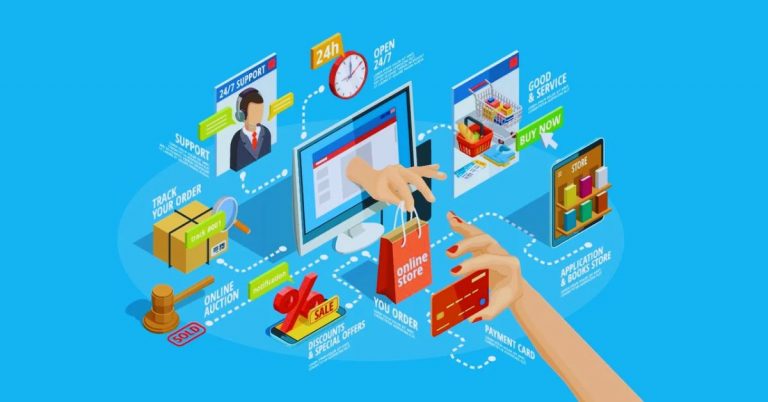
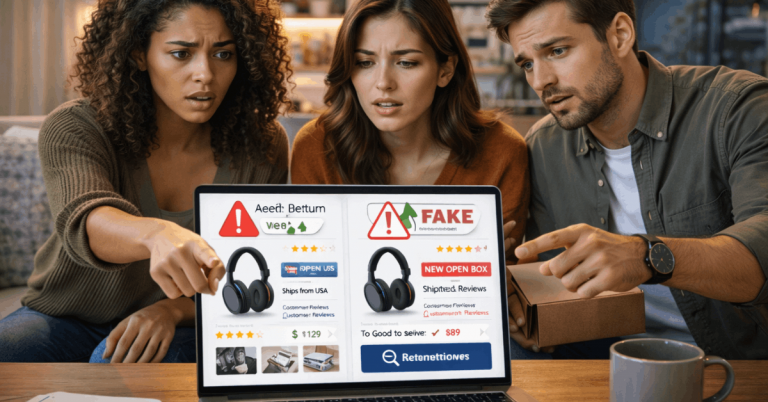
A $200 GPU on AliExpress looks like a steal until customs adds $45 and the return window requires uploading five photos to a seller who ghosts you.
Buying electronics internationally can save real money. But the gap between “listed price” and “total cost delivered to your door” trips up even experienced online shoppers.
The right international marketplace for electronics matters less for the catalog and more for what happens when something breaks, arrives late, or looks nothing like the listing photos.
I would pick a platform based on its return infrastructure over its product count every single time, and this article breaks down exactly why that thinking changes how each platform ranks.
Where to Buy Electronics Online Across Borders in 2026
Every guide on international electronics marketplaces lists the same six sites in the same order. The useful question nobody answers: which platform protects your money when a $400 monitor shows up with dead pixels and the seller is 8,000 miles away?
That after-purchase infrastructure separates a good deal from an expensive lesson. So rather than ranking platforms by how many products they list, this breakdown ranks them by what happens after you click “buy.”
Amazon Global: Still the Safest Bet for International Electronics
Amazon Global stays at the top of this list for one reason that has nothing to do with product selection: the return process works the same whether you bought from a US seller, a UK seller, or a Japanese warehouse.

Items fulfilled through Amazon’s own warehouses come with pre-calculated import taxes at checkout. That means zero surprise charges at your doorstep. This single feature eliminates the biggest headache in cross-border electronics shopping.
Amazon Renewed is the refurbished arm worth paying attention to. Certified refurbished laptops and tablets carry a warranty, and the return process mirrors standard Amazon purchases.
For buyers hunting deals on previous-generation devices, Renewed listings on regional Amazon sites (US, UK, Japan) can cut costs on items like iPads or ThinkPads considerably.
The limitation? Amazon’s international shipping filters can be clunky.
Certain product categories get blocked depending on your destination country, and Prime benefits don’t transfer globally in a uniform way. Check the Amazon Global shipping page before assuming an item can reach your address.

AliExpress Electronics: Low Prices, High Homework
AliExpress has millions of electronics listings at prices that make Amazon look expensive. Smartphone accessories, DIY kits, cables, adapters, and smart home gadgets fill the catalog.
But I think AliExpress works for accessories and small components under $50, not for big-ticket electronics like laptops or monitors.
The buyer protection system on AliExpress requires photo evidence and direct seller negotiation for refunds, and that process can drag on for weeks. Compare that to Amazon’s one-click return label.
For smaller purchases, filter by “Top Brand” tags and sort by highest order count. These two filters cut through the noise fast.
Some products now ship from EU and US warehouses, which drops delivery time from the typical 2-to-4-week window down to about a week.
The trap to avoid: listings that show a rock-bottom price on a name-brand item with zero reviews. A $30 “Samsung” SSD with no purchase history is almost certainly a relabeled knockoff.
Niche International Electronics Marketplaces That Fill Specific Gaps
Amazon and AliExpress get the most traffic, but three smaller platforms handle specific electronics categories better than either giant. Each one serves a different type of buyer.
Newegg Global for PC Builders and Gamers
Newegg Global is the platform built for people who know the difference between DDR4 and DDR5. Computer components, GPUs, motherboards, and peripherals are the core catalog, and the product detail pages include specs that Amazon listings often skip.
The global shipping program on Newegg handles customs calculations and duties at checkout, similar to Amazon. Shipping reaches fewer countries than Amazon, but the product depth for PC hardware is hard to match anywhere else.
One thing Newegg does better than any competitor: detailed user reviews with verified purchase tags and benchmark data.
A GPU review on Newegg often includes actual frame rate numbers and thermal readings. That kind of buyer feedback doesn’t exist on Amazon or AliExpress at the same density.
eBay, Banggood, and GeekBuying Compared
These three platforms cover different corners of the international electronics market. A quick comparison across the criteria that matter for cross-border buyers:
| Platform | Best For | Return Process | Shipping Speed | Buyer Protection |
|---|---|---|---|---|
| eBay | Used and refurbished electronics | Money-back guarantee, structured | Varies by seller | Strong |
| Banggood | Smart home devices, accessories | Photo evidence required | Fast from US/EU/AU warehouses | Moderate |
| GeekBuying | Android boxes, scooters, gadgets | Responsive support team | Warehouse shipping available | Moderate |
eBay depends almost entirely on seller history. A seller with 10,000 positive ratings and 99.5% feedback on used electronics is safer than a new seller offering the same item 20% cheaper.
The money-back guarantee adds a layer of protection that Banggood and GeekBuying can’t match at the same level.
Banggood ships from warehouses in the US, EU, and Australia, which speeds up delivery for buyers in those regions. For smart home devices and tool accessories under $30, the pricing beats Amazon regularly.
GeekBuying fills an odd niche: Android TV boxes, electric scooters, and mid-range tech gadgets. Flash deals on GeekBuying can drop prices 30% to 40% below retail on items that other platforms don’t carry at all.
Also read: Marketplace Reviews You Can Actually Trust
Customs, Shipping, and Returns on International Electronics
The listed price of an electronic item on any international marketplace is never the final price. Customs duties, shipping fees, and currency conversion charges add up, and return shipping on a defective item can sometimes cost more than the original purchase.
How Import Taxes Affect Your Final Electronics Price
Delivery from Asia-based sellers usually takes 2 to 4 weeks through standard shipping. Express carriers like DHL or FedEx cut that to a week, but express shipping can trigger customs inspection and add duty charges that standard postal delivery sometimes avoids.
A few things that control what you pay at customs:
- Declared value on the package: some sellers mark items below their real value to reduce duties, which can backfire if the package gets inspected and seized
- Product category: electronics often fall into higher duty brackets than clothing or accessories in countries like India, Brazil, and the Philippines
- Platform pre-calculation: Amazon and Newegg calculate and collect import taxes at checkout, so the price at purchase is the price at delivery
- No pre-calculation platforms: AliExpress, Banggood, and GeekBuying leave customs charges to the buyer, meaning a surprise bill when the package arrives
Return Policies That Vary Wildly Between Platforms
Returns on international electronics orders split into two categories. Amazon, eBay, and Newegg offer structured return processes with prepaid labels or clear refund timelines. AliExpress and Banggood require uploading photo or video evidence and negotiating directly with the seller.
A few patterns worth knowing about international electronics returns:
- Amazon and Newegg process refunds within days of receiving the returned item
- AliExpress disputes can take 15 to 30 days to resolve if the seller contests the claim
- Partial refunds for minor cosmetic issues are common across all platforms and often a faster resolution than full returns
- PayPal and credit card chargebacks add a second layer of protection if the platform’s dispute system fails
I would always pay through PayPal or a credit card on platforms like AliExpress and Banggood. The chargeback option through your card issuer is a safety net that direct bank transfers or debit cards don’t offer.
How to Spot Fake Electronics Listings on International Marketplaces
Fake listings are the single biggest risk when buying electronics across borders, and no platform is completely immune. The red flags stay consistent across every marketplace.
Extremely low prices on name-brand electronics paired with zero reviews is the most obvious signal. A listing for a $60 “Sony” noise-cancelling headphone when the retail price sits above $250 is not a deal. A few more patterns to watch:
- Vague product descriptions that avoid mentioning model numbers or specific specs
- Sellers with accounts created within the past 30 days and no transaction history
- Listings missing warranty information or estimated delivery dates
- Product photos that look like stock images rather than actual item shots
Checking independent reviews on Reddit or tech forums before purchasing from an unfamiliar seller adds 10 minutes to the buying process but can save hundreds.
The r/deals subreddit is one crowd-sourced resource where buyers regularly flag both legitimate deals and scam listings across international platforms.
One perspective I don’t see anyone else raising: the cheapest platform for an item is almost never the safest platform for that item.
Chasing the lowest price across six different international marketplaces means spreading your purchase history, your payment data, and your dispute leverage across six different systems.
Sticking to one or two platforms where your account has purchase history, where the return process is familiar, and where your payment method carries chargeback rights beats saving $15 on a single transaction.
Questions People Ask About International Marketplaces for Electronics
Q: Are electronics from AliExpress safe to buy?
Accessories and small components under $50 carry low risk, especially from sellers with high order counts and “Top Brand” tags. Big-ticket items like laptops or monitors come with return headaches that make the savings questionable for buyers outside China.
Q: Do I have to pay customs on electronics bought internationally?
That depends on your country’s import threshold and the declared value of the package. Amazon and Newegg pre-calculate duties at checkout, while platforms like Banggood and GeekBuying leave customs charges as a surprise at delivery.
Q: Which international marketplace has the best return policy for electronics?
Amazon Global and eBay have the most structured return processes with money-back guarantees and prepaid return labels. AliExpress and Banggood require photo evidence and seller negotiation, which can stretch the refund timeline to 30 days or longer.
Q: Is Newegg Global worth using outside the United States?
For PC components and gaming hardware, Newegg’s product depth and review quality beat every other international platform. The trade-off is limited shipping destinations compared to Amazon or eBay, so check their global shipping list for your country before browsing.
Q: Should I use PayPal when buying electronics from international sellers?
PayPal adds a dispute layer on top of the platform’s own buyer protection, which matters on marketplaces like AliExpress or GeekBuying where direct seller negotiation is the default refund process. That second layer of protection is worth the small currency conversion fee PayPal charges.
Conclusion
The best international electronics marketplace depends on what happens after your order arrives, not before. Buyer protection, return processes, and customs transparency matter more than catalog size or listed prices.
Saving $20 on a gadget means nothing if a defective unit costs $40 to ship back. Pick the platform that protects your money, then find the product you want on it.