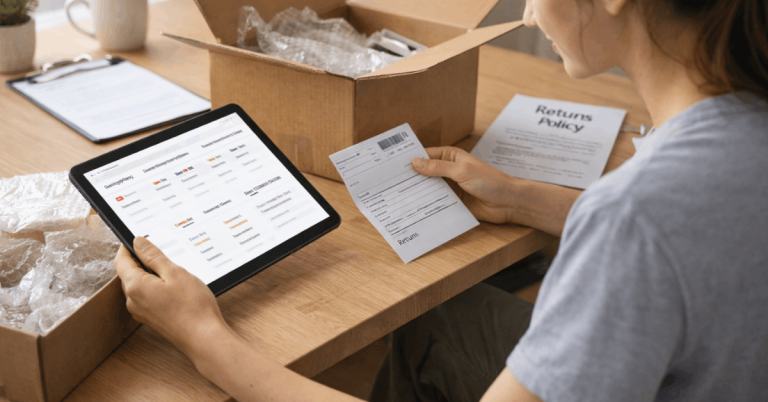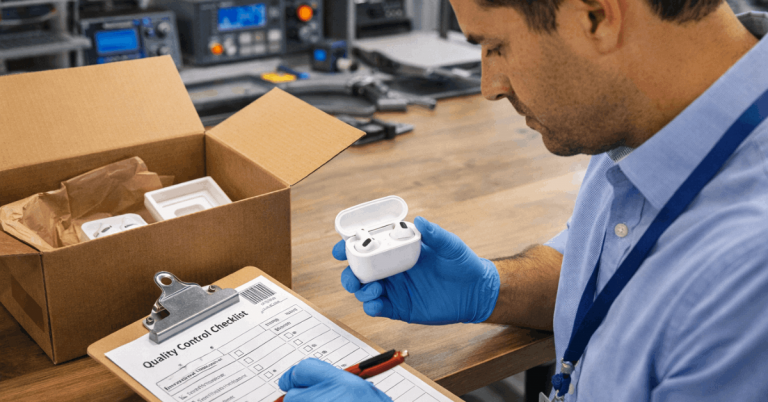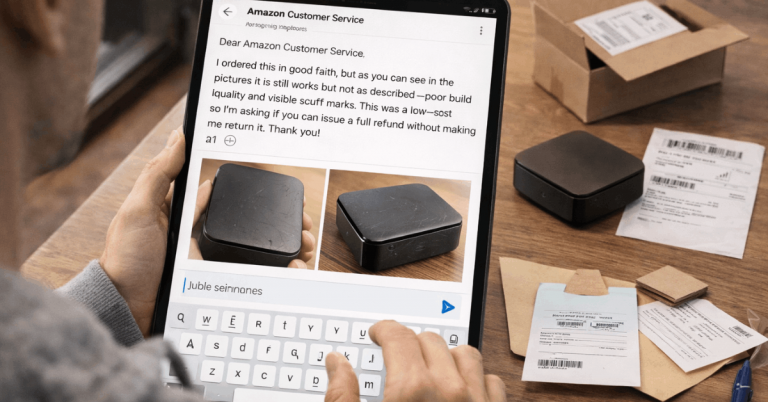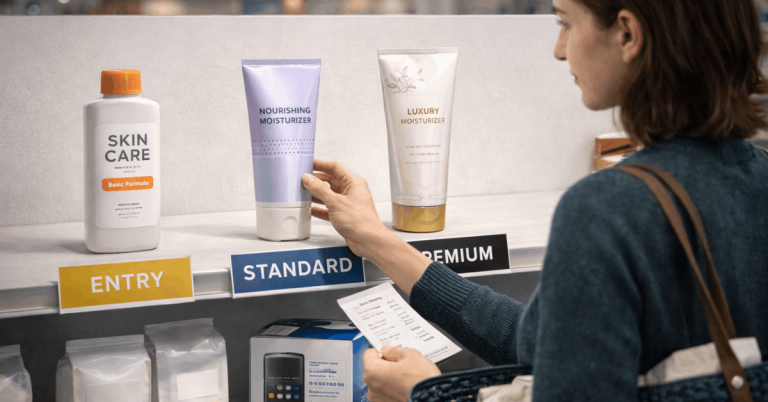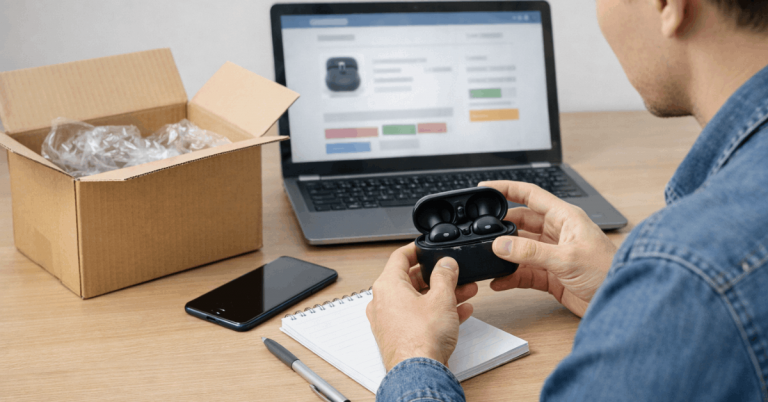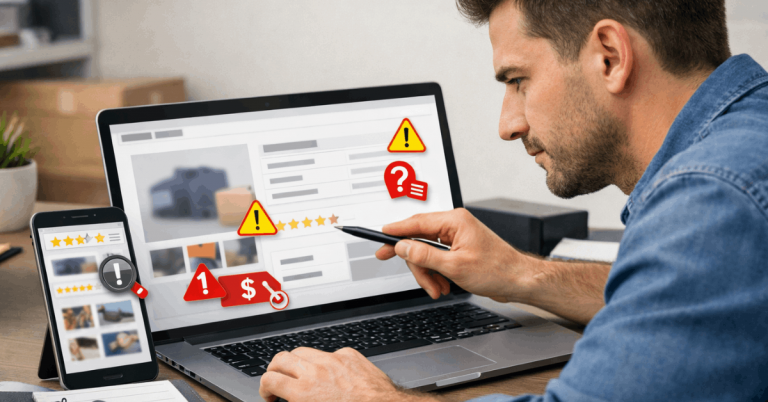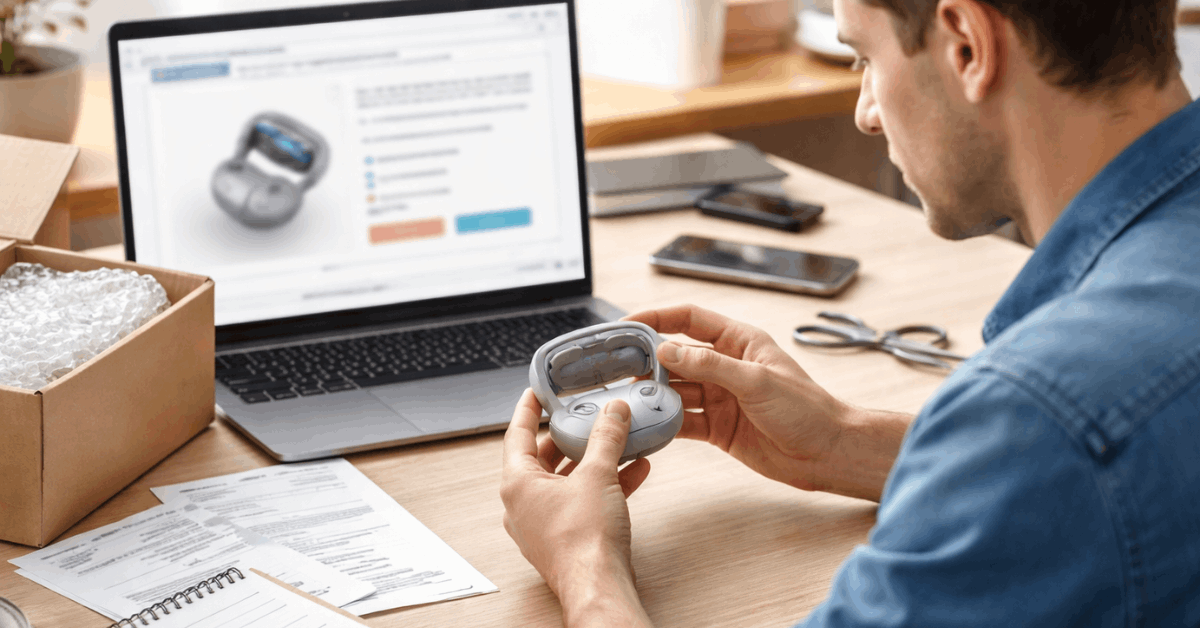
You expect the product you receive to match the listing you paid for.
When the product doesn’t match the listing, you need clear steps to protect your money and your rights as a buyer.
This guide explains how to respond quickly and effectively when shopping on international marketplaces.
Confirm What “Doesn’t Match” Means
You need to confirm whether the issue is a real mismatch or a minor variation allowed by the listing.
Compare the received product with the photos, specifications, and description to identify clear differences in size, features, or quality.
Common Types of Mismatches
You may encounter various mismatches when buying from international marketplaces.
Understanding the most common types helps you decide whether the issue qualifies for a refund, replacement, or dispute.
- The wrong size, color, or model was received compared to the listing.
- Different materials or build quality than what was advertised.
- Missing features, parts, or accessories shown in the product description or images.

Review the Original Product Listing
You need to carefully review the original product listing before taking any action.
This step helps you confirm the mismatch and prepare clear evidence if you need to contact the seller or the marketplace.
- Check the product title and full description to verify stated features, materials, and specifications.
- Review all listing photos and comparison images to confirm what was advertised at the time of purchase.
- Look for variation notes or disclaimers that may explain size, color, or design differences.
- Confirm the selected options in your order details, such as model, size, or bundle version.
What Evidence You Should Collect
You need clear and organized evidence to support your claim if the product does not match the listing.
Collecting the right evidence increases your chances of a fast, fair resolution.
- Screenshots of the original listing, including photos, title, and description.
- Order confirmation and payment records showing what you selected and paid for.
- Clear photos or videos of the received item, highlighting the mismatch.
- Images of packaging and labels that show model numbers or variations.
Check Marketplace Policies First
You should review the marketplace’s buyer protection rules before contacting the seller.
These policies define what qualifies as an item not as described and explain the steps you must follow.
- Buyer protection eligibility rules for items that do not match the listing.
- Time limits for opening disputes or claims after delivery.
- Accepted reasons for returns or refunds, including quality and specification issues.
- Required documentation and proof standards set by the platform.
Buyer Protection Rules That Apply
Buyer protection rules explain when the marketplace will step in to help you.
Knowing which rules apply helps you frame your claim correctly and avoid delays.
- Item not as described, including wrong specifications or missing features.
- Condition mismatch, such as receiving used or damaged items listed as new.
- Incorrect quantity or missing accessories compared to the listing.
- Seller response and resolution deadlines are enforced by the platform.

Contact the Seller Clearly and Directly
Contact the seller as soon as the mismatch is confirmed.
Clear, factual communication increases the likelihood of a quick, fair solution.
- Explain the issue briefly and accurately without emotional language.
- Reference the original listing details that do not match the received item.
- Attach photos or screenshots as proof to support the claim.
- State the requested solution clearly, such as a refund or replacement.
Decide Between Replacement, Partial Refund, or Return
The right option depends on the item’s condition, value, and return costs for international shipping.
- Replacement works best when the item is usable but incorrect, and the seller offers fast reshipment.
- A partial refund may be reasonable if the item functions as expected but differs slightly from the listing.
- Return for a full refund is appropriate when the quality is unacceptable or the product cannot be used as intended.
Escalate Through the Marketplace If Needed
Escalation becomes necessary when the seller does not respond or refuses to resolve the issue.
Marketplace dispute systems are designed to protect buyers in these situations.
- Open a dispute within the allowed timeframe using the platform’s resolution center.
- Submit all collected evidence showing how the product differs from the listing.
- Respond promptly to platform requests for additional details or clarification.
- Wait for the marketplace’s final decision, which is based on policy and proof.
How Disputes Usually Work
Dispute processes follow a structured review handled by the marketplace.
Understanding each stage helps set realistic expectations for timing and outcomes.
- Case submission and review, where the platform checks evidence from both sides.
- Response period for the seller, allowing them to explain or offer a solution.
- Additional evidence requests, if the platform needs clarification.
- Final resolution decision, which may result in a refund, replacement, or case closure.
Understand Return Shipping Risks for International Orders
Return shipping can be the most complex part of resolving an international order issue.
Costs, tracking limitations, and customs delays can affect whether a return is worth pursuing.
- High return shipping fees that may exceed the item’s value.
- Customs processing delays can slow refunds.
- Limited or unreliable tracking for cross-border returns.
- Risk of the return being lost or rejected, which may affect reimbursement.
Who Pays for Return Shipping
Responsibility for return shipping depends on marketplace rules and seller agreements.
Checking this in advance helps avoid unexpected costs.
- Seller-paid returns when the item is clearly not as described.
- Marketplace-covered returns under specific buyer protection programs.
- Buyer-paid returns in cases of preference changes or unclear mismatches.
- Conditional reimbursement, where return costs are refunded after approval.
Leave an Accurate Review After Resolution
Leaving a review after the issue is resolved helps other buyers make informed decisions.
Accurate feedback also reflects how the seller handled the problem.
- Describe the mismatch clearly without exaggeration or emotion.
- Explain how the seller responded and whether the issue was resolved fairly.
- Mention the resolution outcome, such as a refund or replacement.
- Rate the seller based on the full experience, not just the initial problem.
What to Include in Your Review
Leaving a review after the issue is resolved helps other buyers make informed decisions.
Accurate feedback also reflects how the seller handled the problem.
- Describe the mismatch clearly without exaggeration or emotion.
- Explain how the seller responded and whether the issue was resolved fairly.
- Mention the resolution outcome, such as a refund or replacement.
- Rate the seller based on the full experience, not just the initial problem.
How to Avoid Listing Mismatches in Future Purchases
Taking preventive steps reduces the risk of receiving a product that does not match the listing.
Careful checks before payment help avoid disputes and delays.
- Review seller ratings and feedback history for consistency and reliability.
- Check real buyer photos and reviews to confirm the product’s actual appearance.
- Read the full description and specifications carefully, including fine print.
- Avoid listings with only vague details or stock images.
To Sum Up
Receiving an item that does not match the listing can be frustrating, but clear steps help protect your purchase and your time.
By documenting the issue, following marketplace rules, and communicating carefully, you improve the chances of a fair resolution.
Use this guide as a reference whenever problems arise and take action quickly to safeguard future international purchases.