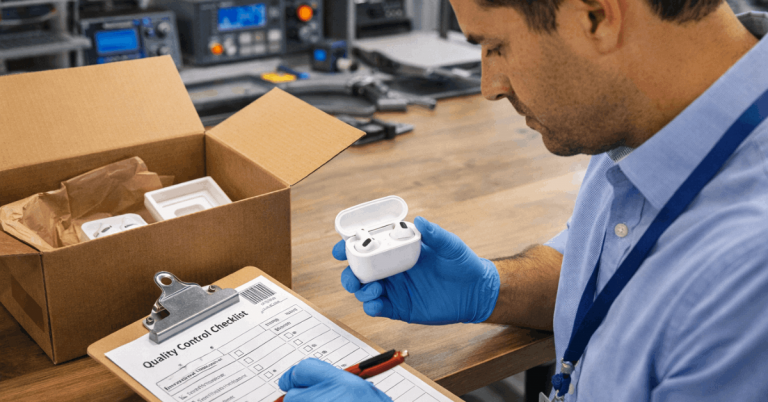
Product photos strongly influence your buying decision on international marketplaces. Many images are created to attract attention, not to reflect the item you actually receive.
This article explains why product photos can be misleading and how you can check quality before paying.
Why Product Photos Can Be Misleading
Product photos often create expectations that do not match reality. On international marketplaces, images are optimized for clicks, not accuracy.
These are the main reasons photos can mislead you before purchase.
- Controlled lighting makes materials look thicker, smoother, or higher quality than they are.
- Strategic angles hide defects, seams, or weak construction.
- Edited colors change the real tone and finish of the product.
- Sample units are photographed instead of mass-produced items.
- Best variant only is shown, even when cheaper options are selected.
- Accessories included in photos may not be part of the actual order.
How Marketplace Photos Are Created
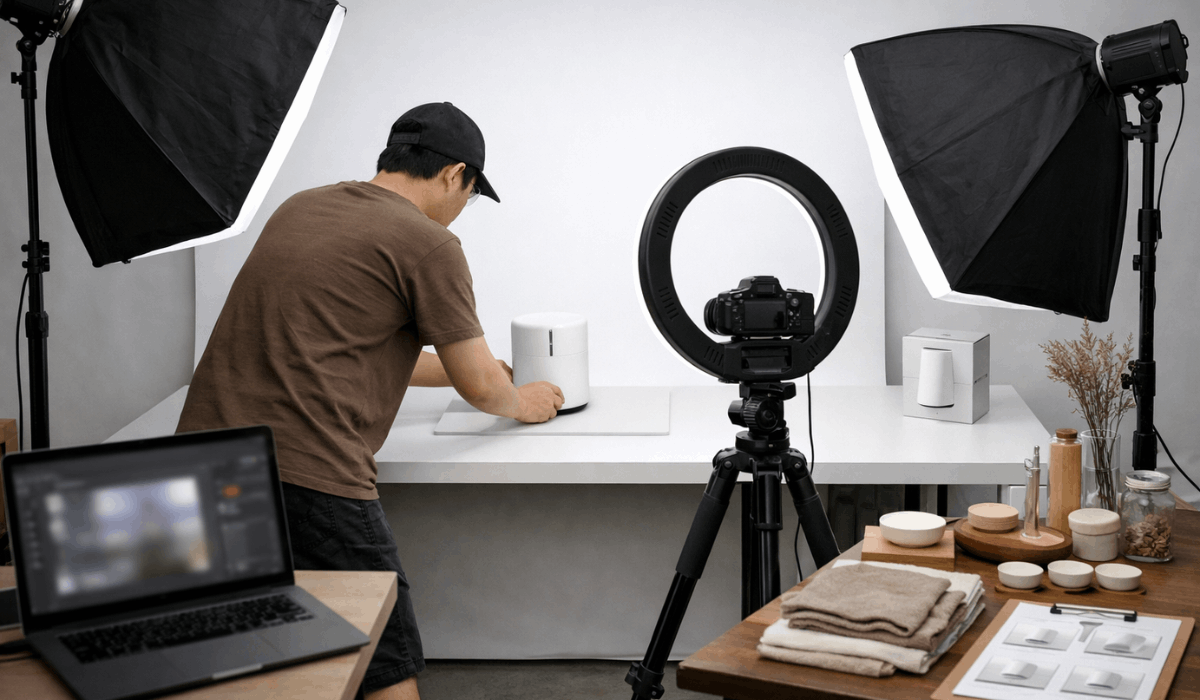
Marketplace photos are produced to sell quickly. They are taken in controlled settings that do not reflect real use or delivery.
Understanding how these photos are created helps you judge listings more accurately.
- Studio lighting is used to soften textures and hide imperfections.
- Professional styling arranges the product to appear premium or larger.
- Sample items are photographed instead of mass-produced stock.
- Post-processing edits adjust brightness, contrast, and sharpness.
- Clean backgrounds remove scale and real-world context.
- Reused image sets appear across multiple sellers and listings.
Visual Tactics That Hide Quality Issues
Many listings rely on visual tactics to reduce visible flaws. These techniques shape perception before you read the details.
Knowing them helps you spot risk early.
- Selective angles hide seams, weak joints, or uneven finishes.
- Extreme close-ups remove context and exaggerate texture quality.
- Cropping cuts out edges where defects usually appear.
- Shallow depth of field blurs problem areas outside the focal point.
- Over-retouched images smooth scratches, wrinkles, or poor materials.
Size, Scale, and Proportion Errors
Size confusion is a common cause of returns and disputes. Photos rarely show true scale on international listings.
This leads to wrong expectations before delivery.
- No reference objects make items look larger or smaller than they are.
- Model photos without measurements hide real dimensions.
- Zoomed-in framing exaggerates thickness or detail.
- Perspective distortion alters width, height, or depth.
- Inconsistent photo sets show different sizes across images.
Color and Material Mismatch
Color and material differences appear after delivery. Photos often show an ideal version, not the real finish. This causes surprise when you unbox the item.
- Filters and color correction change the true tone of the product.
- Studio lighting hides thin, glossy, or uneven materials.
- Stock images replace photos of the actual item sold.
- Texture smoothing makes fabrics and surfaces look higher quality.
- Batch variation causes differences between photographed samples and shipped units.
Variant and Accessory Confusion
Product photos often show the best possible version. Selected options may not match what you see in images. This creates confusion after checkout.
- Photos show premium variants while cheaper options are selected.
- Accessories appear in images but are not included in the order.
- Single photo set is reused across multiple variants.
- Old images remain after product changes.
- Unclear variant labels make matching images difficult.

Photo vs Delivery Reality
What arrives often looks different from what you saw online. Delivery conditions affect shape, finish, and condition. Photos rarely account for shipping impact.
- Compression during shipping bends or flattens items.
- Folding or disassembly changes appearance after unpacking.
- Low-cost packaging offers limited protection.
- Transit handling causes scuffs or minor damage.
- Long shipping routes increase wear before delivery.
Seller Reliability Signals in Photo Galleries
Photo galleries reveal how sellers operate. Image quality and consistency reflect reliability. You can judge seller behavior before you buy.
- Original photos suggest the seller handled the product directly.
- Consistent backgrounds and angles indicate controlled listing updates.
- Multiple real-life shots show transparency, not stock reliance.
- Clear packaging photos reflect delivery awareness.
- Buyer photo integration signals confidence in outcomes.
Why Buyer Review Photos Are More Trustworthy
Buyer photos show what actually arrives at your door. They reflect real handling, real packaging, and real delivery outcomes.
This makes them more dependable than seller-controlled images.
- Taken after delivery, showing the item exactly as received by buyers.
- Show true scale and proportion inside real homes or workspaces.
- Reveal defects and wear that listing photos usually hide.
- Display packaging condition after shipping and carrier handling.
- Reflect the exact variant and option the buyer selected.
How Marketplace Algorithms Encourage Misleading Images
Marketplace platforms prioritize images that attract clicks. Visual appeal often matters more than accuracy.
This encourages sellers to optimize for attention, not realism.
- Bright and polished images rank higher in search results.
- High-contrast thumbnails earn more clicks and impressions.
- Reused stock photos spread faster across multiple listings.
- Lifestyle-style images outperform plain product shots.
- Visual-first ranking systems reward looks over detailed specs.
A Simple Photo Verification Checklist
A quick photo check reduces buying mistakes. You do not need expert tools to verify images. This checklist helps you confirm reality before paying.
- Match photos to variants and confirm the selected option appears clearly.
- Check recent buyer photos for real size, finish, and condition.
- Look for scale references such as hands, furniture, or common objects.
- Compare multiple listings using the same images.
- Request real photos from the seller if details are unclear.
Red Flags in Photo Descriptions and Captions
Photos and captions work together to shape expectations before checkout.
When text stays vague, images become harder to verify. This pattern increases quality and delivery risk.
- Generic captions avoid confirming size, material, weight, or finish details.
- Marketing-heavy wording replaces measurable facts with sales language.
- Missing disclaimers hide variation between batches, colors, or suppliers.
- Copy-pasted descriptions repeat across sellers without item-specific proof.
- Caption–photo mismatch signals that images may not match the shipped item.
When Photo Quantity Signals Risk
More photos do not always mean better transparency for buyers. Some galleries overwhelm instead of informing decisions.
You must judge coverage quality, not image count.
- Too many similar angles avoid showing weak points or defects.
- Missing critical views such as back, bottom, or interior areas.
- Repeated images inflate gallery size without adding new information.
- Lifestyle-only photos replace clear product-only reference shots.
- No close-ups of joints or seams hide construction quality issues.
How Returns and Disputes Reveal Photo Problems
Post-purchase issues often expose photo inaccuracies. Return reasons point back to what images failed to show.
This insight helps you spot risk earlier.
- “Not as described” claims usually trace back to misleading visuals.
- Size or color disputes reflect missing scale or lighting context.
- Damage complaints reveal packaging not shown in listings.
- Accessory disputes expose items pictured but not included.
- Condition complaints highlight wear or flaws hidden by editing.
Conclusion — Buy With Proof, Not Photos
Product photos can be misleading, especially on international marketplaces where images are designed to attract attention rather than show reality.
When you verify photos using specs, buyer images, and seller reliability signals, you reduce surprise and avoid quality issues.
Before your next purchase, pause, double-check the photos, and buy only when the evidence supports the listing.