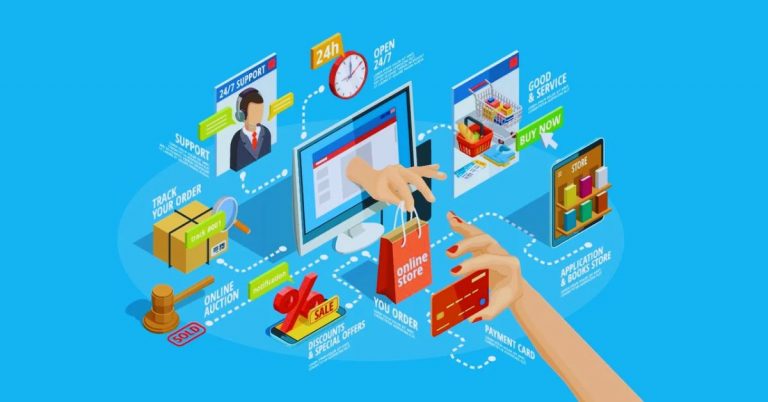
Buying directly from an overseas seller can make sense when local shops lack stock or options. It can also bring slow dispatch, unclear specifications, damaged packaging, or a return that costs more than the item.
The decision is less about trusting every seller and more about matching the order to its real risk. Direct buying may suit a simple, low-value item you can wait for. It is a poor fit for something urgent, safety-related, expensive, or difficult to replace.

Start With the Exact Version, Not the Lowest Price
A listing can display many colours, sizes, bundles, and model years under one product title. The lowest price may belong to a refill, a smaller capacity, or an option without the cable, adapter, case, or accessory shown in the main image.

Select your version first, then read its measurements, material, voltage, model code, warehouse, and contents. A cheap item becomes costly when the selected variant will not fit, connect, or perform the job you bought it for.
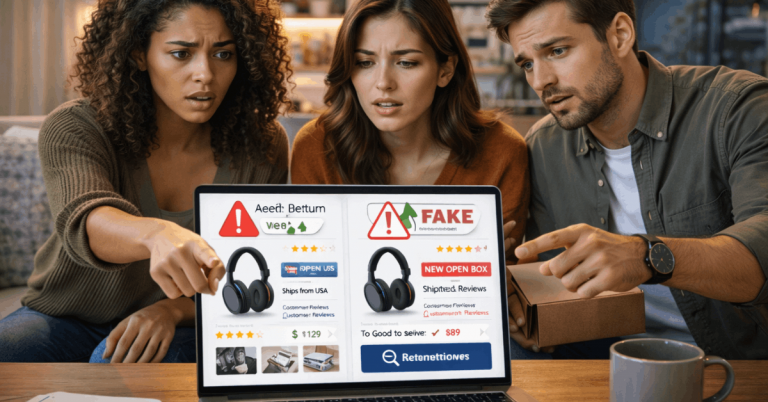
The Product Photo Is Only One Piece of Proof
Hero images attract attention, not answer practical questions. Look for close photos of ports, seams, labels, switches, stitching, and parts that carry weight or wear out first.
Then read recent buyer comments for the same option, not another option. A listing that hides measurements, uses broad phrases such as “premium,” or shows no accessory list leaves too much to chance. You need specific details, not a polished impression.
Read Seller Behavior Before You Read the Sale Banner
A marketplace may manage payment and host the listing, but the seller often controls stock accuracy, packing, dispatch, and replies after a problem.
Check recent shop feedback. A seller who handles phone cases well may not pack glass, tools, or electronics with equal care.
Look for comments about wrong variants, missing parts, slow dispatch, packaging, and refunds. Repeated issues reveal more about the current standard than a lifetime star score.
Ask One Question That Exposes Gaps
For a technical, fragile, or costly item, send one short question before you pay. Ask about the model number, plug type, included accessory, stock location, or packing method.
A useful reply addresses the point directly and matches the listing. A vague answer, copied response, or push to continue elsewhere is a warning. Keep messages on the marketplace so the written record remains available if a review is needed.
Delivery Is Part of What You Are Buying
International shipping is not a background service that starts after the real purchase. It affects whether the item arrives intact and traceable when something goes wrong.
A parcel may pass through a warehouse, export hub, customs, freight partner, and local courier.
Economy delivery can work for a cable or hobby item; it is less sensible for a gift, repair part, or travel item. Choose the route that fits the item’s urgency.
Calculate the Cost of a Bad Outcome Early
The displayed price may exclude shipping, tax, duty, currency conversion, or return postage.
Before checkout, ask what happens if the wrong item arrives, the parcel is damaged, or the product fails after one use.
Read the return deadline, condition rules, approved address, and who covers shipping. Large, heavy, fitted, or low-value goods can be difficult to send back across borders. A realistic return plan matters more than a generous-looking label.
Some Orders Suit Direct Sellers Better Than Others
Direct sellers can work well for low-risk goods with clear specifications: ordinary cables, hobby accessories, small replacement parts, or non-fragile items without a strict deadline.
They are less suitable for batteries, cosmetics, supplements, branded luxury goods, large appliances, or products that need certification, local warranty service, or precise safety standards.
The price should reflect what you give up: easier returns, local support, and faster replacement. Use direct ordering where the downside is manageable.
A Small First Purchase Can Teach You More
A modest test order can show how a seller handles your destination without tying up much money. Pick something simple, affordable, and easy to inspect.
Track dispatch, whether the selected option matches, how the box is protected, and how understandable tracking becomes after handoffs. One successful order does not prove the seller is reliable, but it gives a practical baseline for their service.
Also Read: Why Product Photos Can Be Misleading
Keep Protection Inside the Platform
The safest part of a marketplace order is usually the documented process: checkout, order details, tracking, messages, and a formal dispute route.
Do not pay through a transfer, gift payment, private link, or outside chat because a seller promises a lower price or faster refund.
Those shortcuts can remove evidence if the item never arrives or differs from the listing. Protected payment and on-platform messages create a clearer trail and preserve your options.
Save the Page Before It Changes
Listings can change after you buy. Save screenshots of the description, selected option, price, stated contents, delivery range, return terms, and seller messages before payment; keep the order confirmation too.
When the parcel arrives, photograph the outer packaging and label before opening it, especially if the box is crushed, wet, or resealed.
These records show what was promised and what arrived. Clear evidence is stronger than an argument built from memory.
Use a Short Test Before You Commit
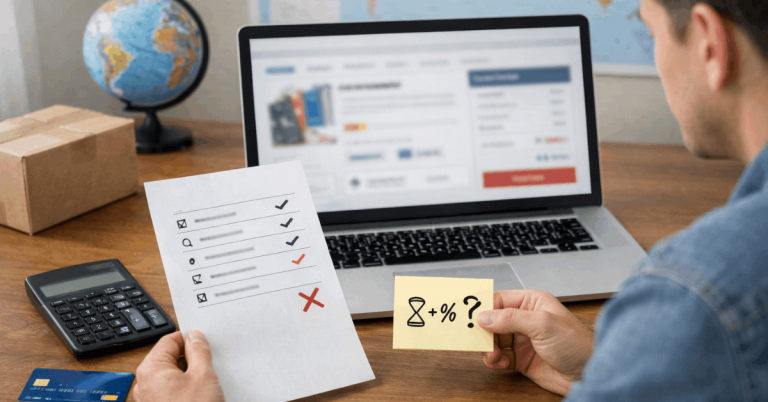
You do not need a scoring sheet for every order. You need a brief pause that checks whether the price, delivery route, and return risk still make sense for the item.
This matters most when the product is fragile, technical, time-sensitive, expensive, or hard to source again. Ask whether you can live with the delay and the loss if the order goes wrong.
Three Questions Before Payment
Read the answer to each question from the listing, not assumptions. If key details are missing, find another seller or buy locally. The check below keeps the decision grounded in proof rather than a sale timer.
- Does the chosen variant match the specifications, photos, and included parts?
- Can you accept the full cost, delivery range, and return expense?
- Would you still buy if tracking slowed down or support took several days to reply?
Make the Saving Earn Its Place
Buying direct can be worth it when the item is hard to find, the seller’s recent record is credible, the page is specific, and the total cost remains fair after shipping and fees.
It is not automatically safer or cheaper because the listing offers a coupon. Decide what failure would look like for this order: a late parcel, wrong option, weak build, extra charge, or difficult return. Buy only when the likely saving still outweighs the tradeoff.