When you shop on international marketplaces, quality problems often appear only after delivery.
Many buyers miss early warning signs because listings look complete and prices feel convincing.
This guide helps you spot quality red flags before you pay, reducing the risk of poor products and delivery issues.
Why Quality Issues Are Hard to Spot Online
Online listings are designed to sell quickly, not to show every detail that affects quality.
You rely on seller-provided information, which often hides limitations that only become apparent after delivery.
- Edited photos — Images may be filtered, cropped, or staged to hide flaws and texture issues.
- Stock images — Sellers sometimes use generic photos that don’t match the exact item you receive.
- Vague descriptions — Listings may omit clear details such as materials, thickness, weight, or build quality.
- No hands-on check — You can’t touch, test, or compare the item, so defects stay hidden until delivery.
- Fast-buy design — The platform’s layout encourages quick checkout rather than thorough quality checks.
- Look-alike products — Similar photos and titles make different quality levels seem identical.

Seller Behavior That Signals Quality Risk
Seller actions often reveal more about product quality than the listing itself.
When behavior looks inconsistent or evasive, quality problems are more likely after delivery.
- Inconsistent listings — Product photos, titles, and specs do not match across the seller’s store.
- Vague answers — The seller avoids direct questions about materials, origin, or usage.
- Scripted replies — Responses feel copied and do not address your specific concern.
- Slow communication — Long reply times before purchase can signal weak after-sales support.
- Frequent item changes — Listings are edited often, which can hide complaints or defects.
Reviews Buyers Misread or Ignore
Reviews can expose quality problems, but many buyers read them the wrong way. When reviews are taken at face value, important warning signs are missed.
- High star ratings — A strong rating can hide repeated minor issues that affect long-term use.
- Vague praise — Comments like “good” or “okay” give no insight into build, fit, or durability.
- Early reviews only — Feedback written right after delivery may miss defects that appear later.
- Repeated small complaints — Mentions of packaging, finish, or smell often point to deeper quality issues.
- No photo reviews — Reviews without images make it harder to confirm the product’s actual condition.
Product Details That Predict Delivery Problems
Certain product details hint at how well an item will survive shipping. When these details are missing or unrealistic, delivery damage becomes more likely.
- No packaging info — The listing does not explain how the item is packed or protected.
- Fragile items unstated — Breakable products are sold without handling or care notes.
- Unclear dimensions — Size details are vague, increasing the risk of improper packing.
- Unrealistic weight — Listed weight does not match the product type, signaling weak materials or errors.
- Missing compliance details — Lack of battery, liquid, or material disclosures can cause transit delays or returns.
Pricing Clues Buyers Often Overlook
Price patterns often reveal quality compromises that listings do not explain.
When pricing feels extreme or unstable, product quality and delivery reliability are at risk.
- Unusually low prices — Costs far below the market average often reflect cheaper materials or weak quality control.
- Constant discounts — Permanent sales can signal overstock, rejected batches, or slow-moving inventory.
- Large price swings — Frequent price changes may indicate inconsistent sourcing or supplier issues.
- Add-on cost gaps — Low base prices paired with high shipping or handling fees hide the real cost.
- Bundle pressure — Forced multi-item deals can be used to move low-quality stock quickly.
Marketplace Signals That Matter
Marketplaces show quality warnings through performance signals, not direct labels.
When these signals look negative, product quality and delivery reliability are often affected.
- High dispute rates — Frequent disputes point to mismatched products or delivery damage.
- Low repeat buyers — Few returning customers suggest poor satisfaction or quality issues.
- Recent account changes — New or renamed stores may be avoiding past complaints.
- Category switching — Sellers jumping between product types often lack consistent quality control.
- Short operating history — Limited selling history reduces proof of reliable quality and delivery.

Listing Changes That Hide Quality Downgrades
Some sellers quietly change listings after problems appear. These changes can mask quality drops without lowering ratings.
- Material substitutions — Lower-grade materials replace original specs without notice.
- Photo swaps — New images hide earlier defects mentioned in reviews.
- Spec edits — Size, weight, or features are adjusted to reduce complaints.
- Title keyword changes — Wording is tweaked to attract new buyers and bury old issues.
- Variant reshuffling — Good variants disappear, and weaker versions become the default option.
Quality Risks With “New Version” or “Upgraded” Labels
“New” or “upgraded” labels are often used to reset buyer expectations. These claims do not always mean better quality.
- Unverified improvements — No proof of actual upgrades is provided.
- Mixed inventory — Old and new versions ship under one listing.
- Reset reviews — Changes break the link between past feedback and current items.
- Different factories — A “new batch” may come from a different supplier with uneven quality.
- Hidden feature trade-offs — One improvement is used to distract from the removed features or weaker parts.
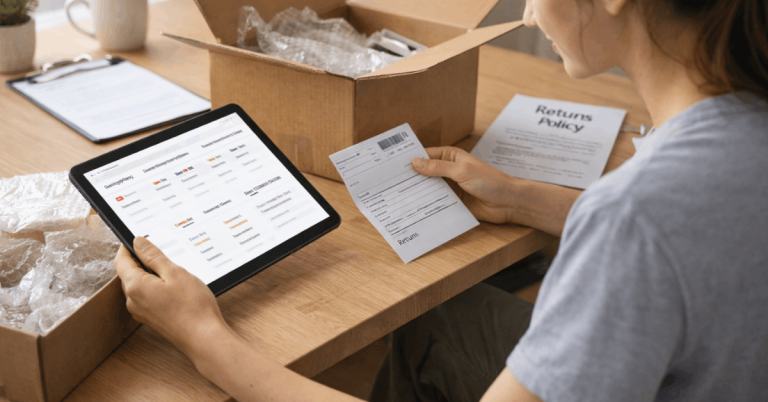
Return and Warranty Policies That Signal Quality Problems
Return terms reveal how confident a seller is in product quality. Restrictive policies increase your risk after delivery.
- Short return windows — Limited time hides early-use defects.
- Buyer-paid returns — High return costs discourage quality complaints.
- Unclear warranty terms — Vague coverage suggests weak post-sale support.
- Restocking or handling fees — Extra charges reduce refunds even when the item is faulty.
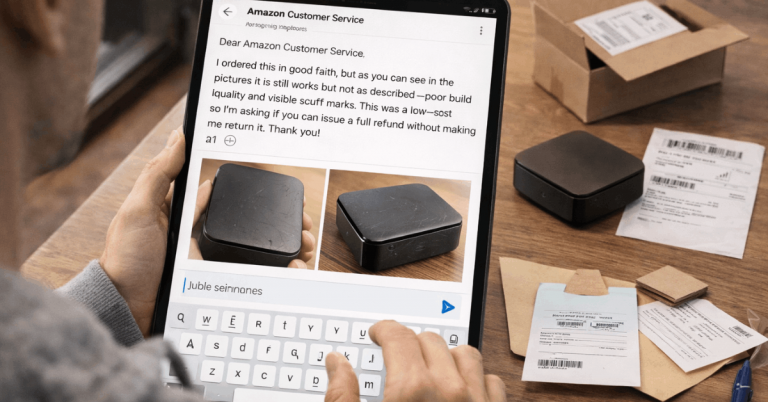
- Proof-heavy requirements — Sellers demand excessive photos or videos to delay or deny returns.
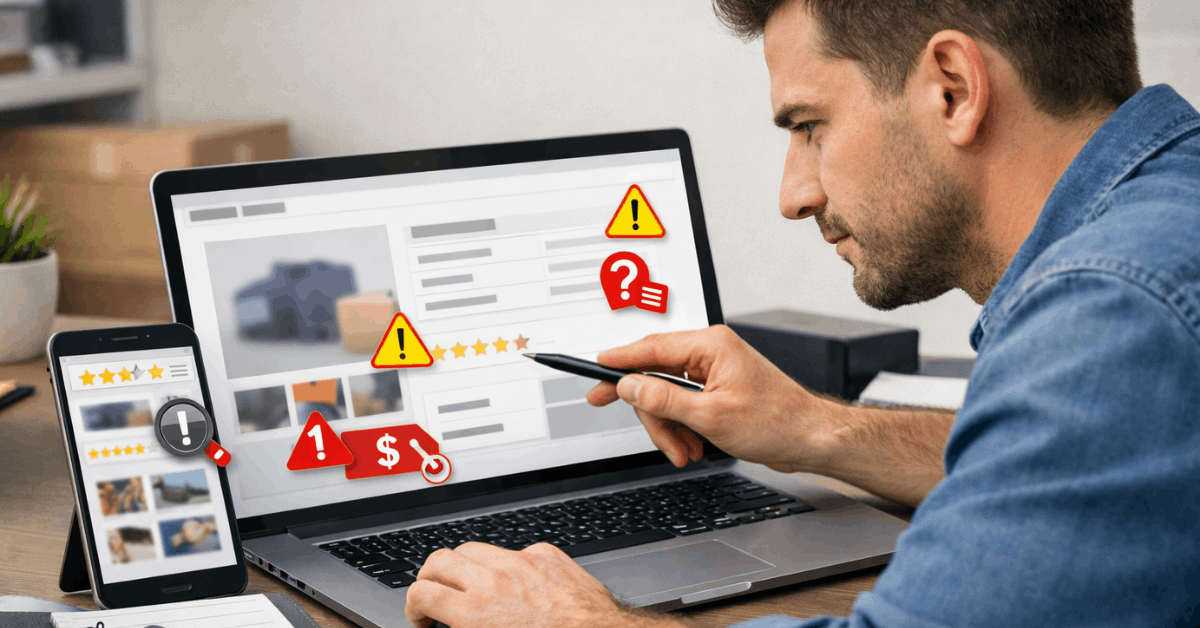
How to Catch Red Flags Before Buying
Catching quality risks before checkout saves time, money, and frustration. A few simple checks can reveal problems that listings try to hide.
- Compare similar listings — Differences in specs, photos, or pricing expose quality gaps.
- Read low-star reviews first — Negative feedback highlights real usage and delivery issues.
- Ask one clear question — Seller responses reveal knowledge, honesty, and support quality.
- Check buyer photos — Real images show materials, size, and finish accuracy.
- Review delivery feedback — Comments about damage or delays predict shipping risk.
Final Buyer Checklist for Quality Safety
A final review before payment helps you avoid preventable quality and delivery problems.
This checklist acts as a last filter before you commit to the purchase.
- Clear product details — Photos, materials, size, and weight are specific and consistent.
- Reliable seller behavior — Communication is direct, timely, and answers your questions.
- Review patterns checked — Low-star feedback and repeated issues are reviewed, not ignored.
- Realistic pricing — The price matches the product category and delivery promise.
- Delivery readiness — Packaging, handling, and shipping details are clearly explained.
The Bottomline
Quality problems are easier to avoid when you know how to spot quality red flags before buying.
Checking listings, seller behavior, reviews, pricing, and marketplace signals helps you reduce both product and delivery risks.
Use this guide before checkout and start applying these quality red flag checks on every purchase you make.