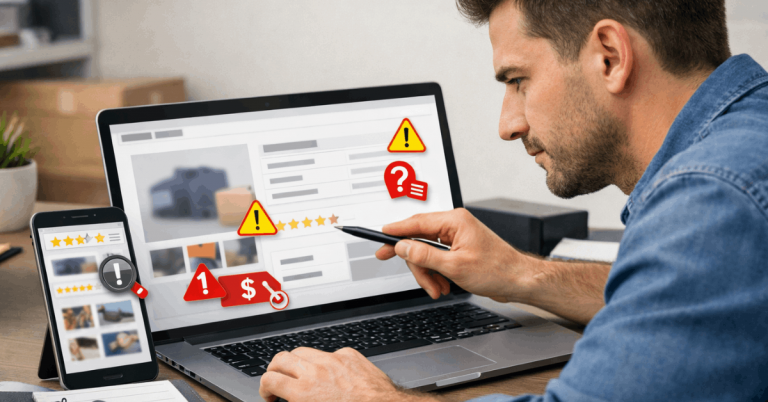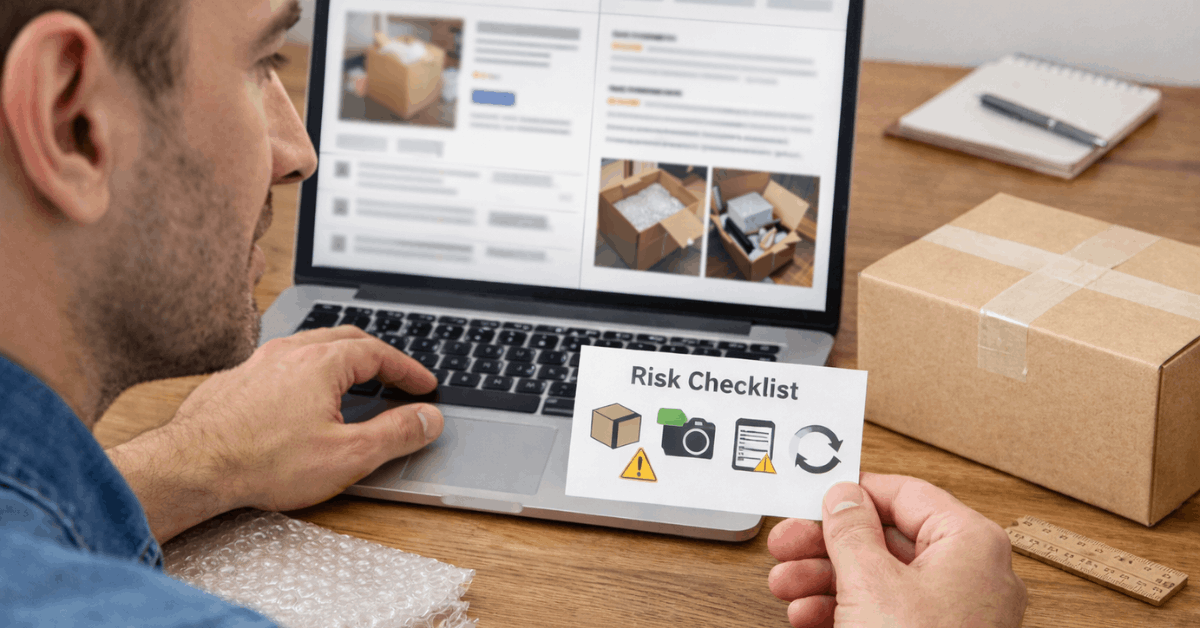
Delivery handling decides whether fragile items arrive intact or show hidden cracks, dents, or leaks.
In this guide, you will learn how sorting, stacking, vibration, and weather exposure affect product quality in international deliveries of fragile items.
You will also learn what to check before you buy and what to document at delivery, so you can spot risks quickly and deal with sellers confidently.
The Main Handling Risks That Break Fragile Items
These are the main handling risks that break fragile items. Each main phrase is followed by a short description.
- Sudden Drop Impacts — Quick hits crack glass, chip edges, and break internal mounts.
- Heavy Stacking Pressure — Weight crushes boxes and bends frames or housings.
- Long-Haul Transit Vibration — Constant shaking loosens parts and causes rubbing damage.
- Hot-and-Cold Temperature Swings — Heat weakens adhesives, and cold makes materials brittle.
- Moisture and Humidity Exposure — Damp conditions warp packaging and trigger stains or corrosion.
- Rough Transfer Hub Handling — Extra handoffs increase throws, flips, and rushed loading.
- Corner Blows and Box Punctures — Sharp hits pierce packaging and quickly damage weak points.
Packaging Factors That Decide Survival
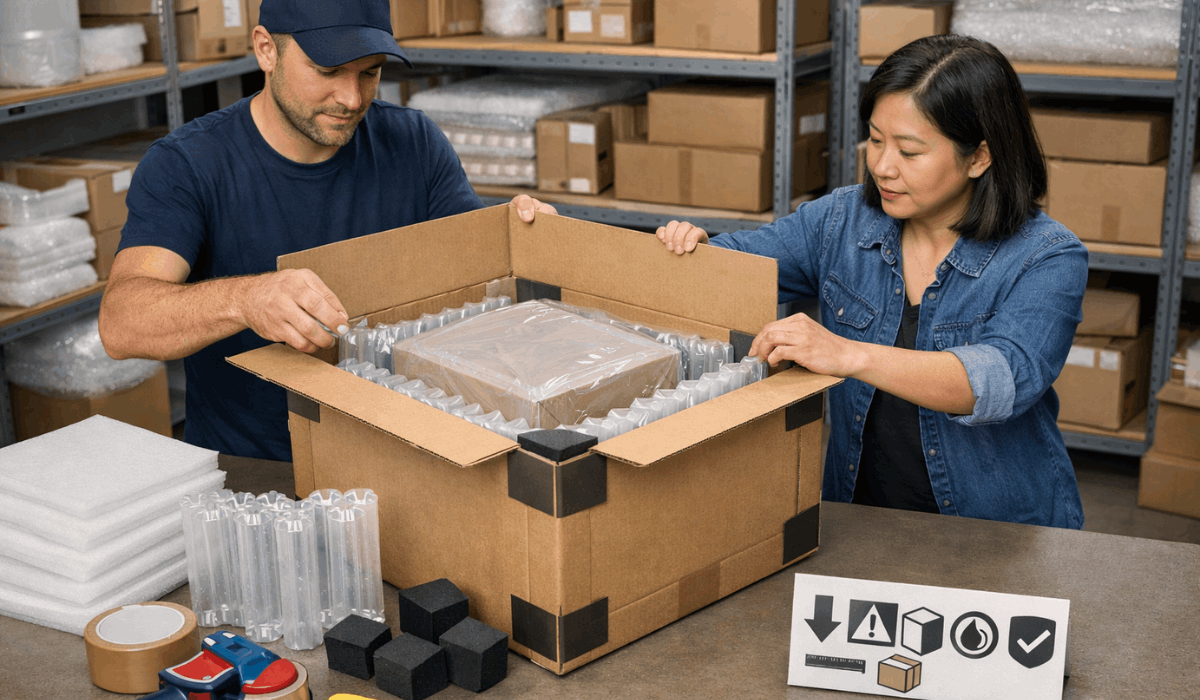
Packaging determines whether fragile items survive the normal stresses of shipping.
These factors control impact protection, pressure resistance, and box movement.
- Strong Outer Box Quality — Thick cardboard resists crushing and corner collapse.
- Right Box Size Fit — Less empty space means less movement and fewer impact hits.
- Effective Cushioning Material — Foam or air columns absorb shock better than loose wrap.
- Movement Control and Void Fill — Filler stops the item from sliding and bouncing.
- Corner and Edge Reinforcement — Guards protect the first points that hit the ground.
- Inner Box or Double Boxing — A second layer reduces damage from drops and punctures.
- Moisture Barriers and Secure Seals — Plastic liners and good tape help against water and humidity.
Fragile Item Types and Their Weak Points
Different product types fail in different places during shipping. Use these weak points to judge packaging quality and plan your inspection.
- Glassware and Ceramics — Rims chip, bases crack, and handles snap on impact.
- Electronics and Screens — Corners dent, screens pressure-crack, and ports bend.
- Liquids and Cosmetics — Caps loosen, pumps snap, and seals leak under heat or pressure.
- Collectibles and Finished Surfaces — Paint scuffs, edges rubbed, and corners dented inside the box.
- Small Appliances — Knobs break, housings crack, and internal mounts shift from vibration.
- Precision Parts and Tools — Tips bend, threads strip, and calibration shifts with shock.
- Food and Heat-Sensitive Goods — Texture changes, packaging swells, and seals fail in temperature swings.
Marketplace and Seller Signals That Predict Better Handling
You can’t control how carriers handle parcels, but you can choose sellers who pack well and fix problems fast.
These signals help you predict better handling outcomes before you pay.
- Clear Packaging Proof in Photos — You see foam, corner guards, double boxing, or a tight fit.
- Specific Packing Notes, Not Vague Claims — Details like “inner box + foam” instead of “safe packing.”
- Recent Review Photos Showing Packaging — Newest images match what you’re buying today.
- Consistent Delivery Feedback Across Reviews — Buyers report intact arrivals, not random damage patterns.
- Fast, Helpful Seller Replies — Quick answers suggest better after-sales support.
- Straight Return and Replacement Terms — Clear steps and timelines reduce risk if damage happens.
- Tracked Shipping With Fewer Transfers — More tracking and fewer handoffs usually mean less mishandling.
What You Should Do Before You Buy
Before you buy, you can reduce risk by clarifying packaging, shipping, and policies.
These steps help you avoid preventable damage and weak seller support.
- Check Packaging Evidence First — Look for foam, corner guards, and a snug fit in photos and reviews.
- Message the Seller With Clear Packing Requests — Ask for double boxing, movement control, and corner protection.
- Choose a Safer Shipping Option — Pick tracked methods and routes with fewer transfers when possible.
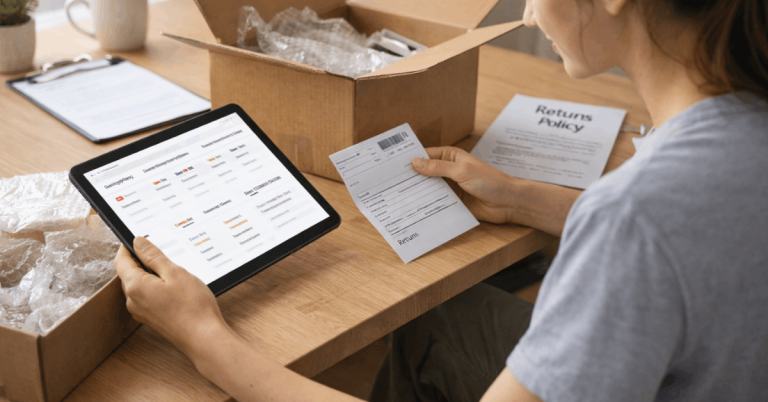
- Confirm the Return and Damage Policy — Make sure “arrived damaged” is covered and time limits are clear.
- Compare Risk vs Price — A low price is not worth it for high-risk, hard-to-replace products.
- Watch for Listing Red Flags — Vague specs, stock photos only, and mixed review images raise risk.
- Pay With Buyer Protection — Use a payment method that supports disputes and chargebacks.
What You Should Do When It Arrives
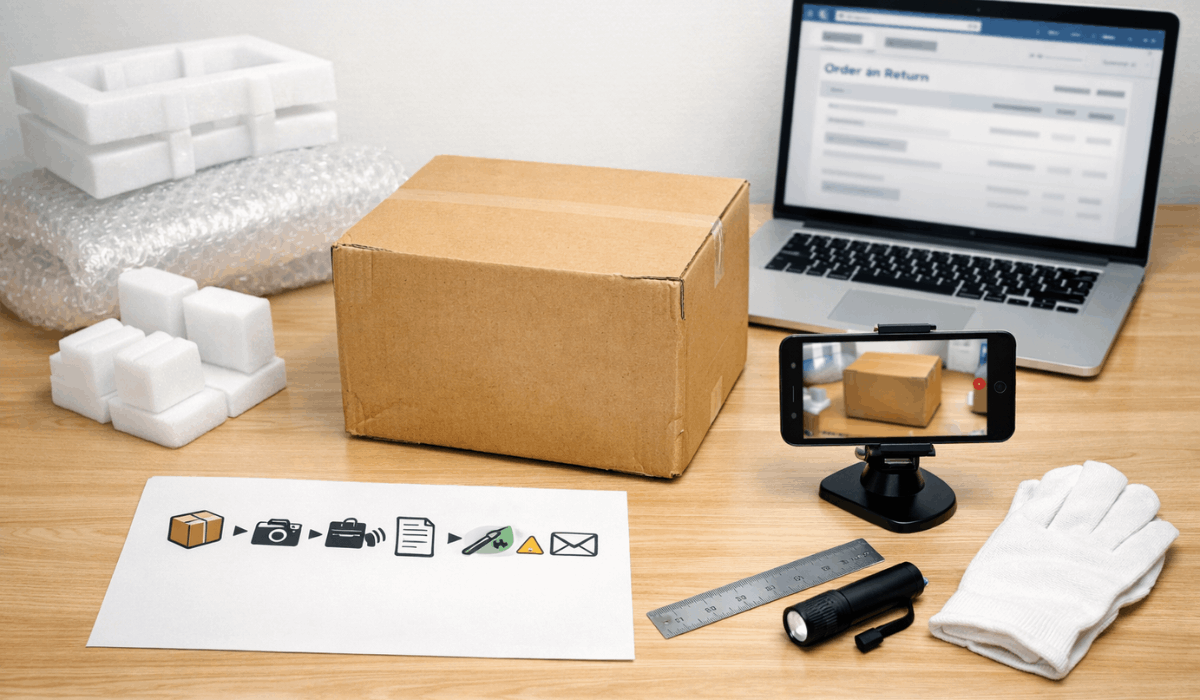
The first minutes after delivery decide whether you can prove damage and get a clean resolution.
Use this routine to document conditions fast and protect your return window.
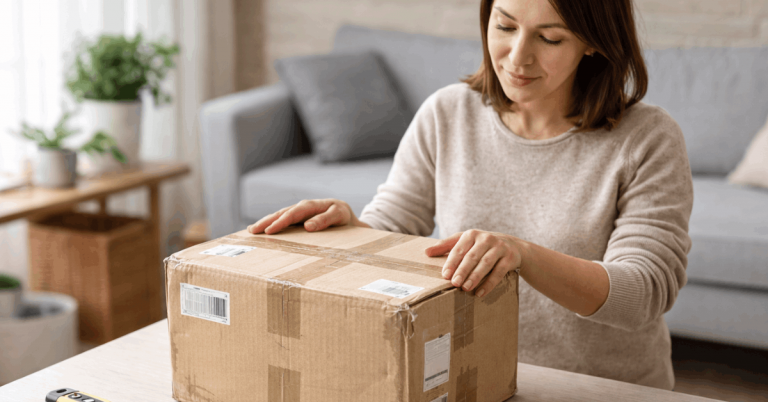
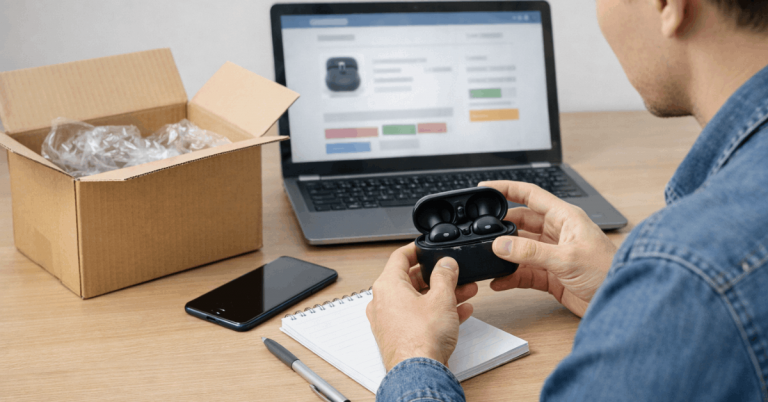
- Photograph the Box on All Sides — Capture corners, dents, wet spots, and label area before opening.
- Record the Unboxing in One Take — Show seals, padding, and how the item sits inside.
- Save All Packaging Materials — Keep the box, inserts, wrap, and labels for claims.
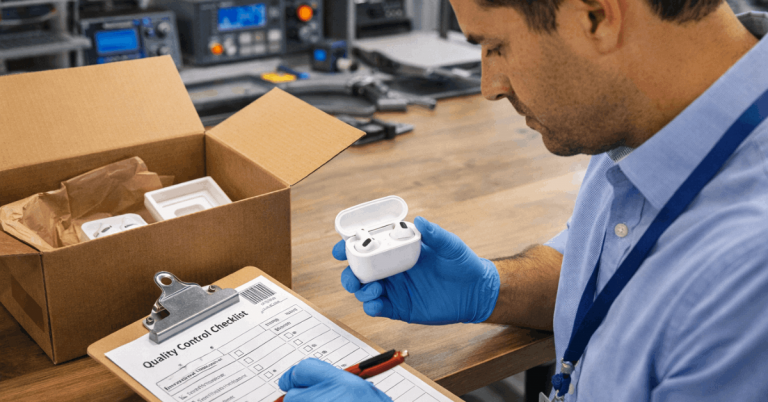
- Inspect Weak Points First — Check corners, edges, screens, ports, lids, and seals.
- Test Basic Function Quickly — Power on, simple buttons, and core features only.
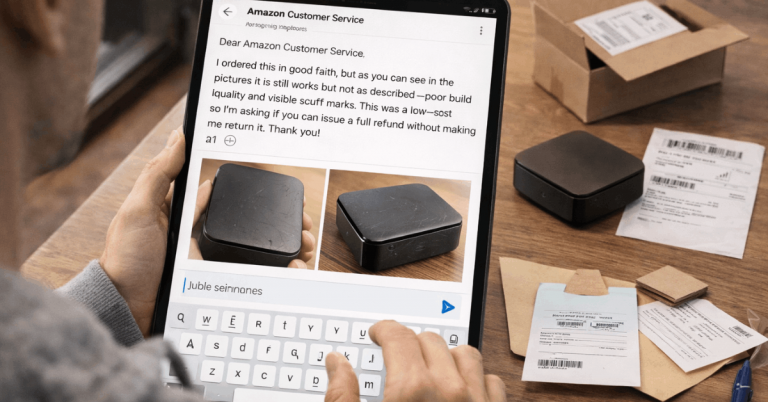
- Document Any Issue Clearly — Close-up photos, short video, and a ruler for scale if needed.
- Message the Seller and Act Within Deadlines — Send proof early and open a dispute if the seller doesn’t reply.
A Simple Decision Rule for Fragile Orders
You need a fast rule to decide if an order is worth the delivery risk. Use this simple filter to choose “buy,” “buy with safeguards,” or “skip.”
- Buy — Strong packaging proof, solid recent reviews, clear damage policy, and tracked shipping with few transfers.
- Buy With Safeguards — Some proof is missing, but the seller replies quickly, offers a replacement/refund, and lets you choose better shipping.
- Skip — Vague listing, no packaging evidence, mixed recent complaints, unclear policy, and the cheapest shipping only.
- Upgrade Shipping — Pick faster or more direct routes when value is high, and risk is moderate.
- Message Before Paying — Ask for double boxing and movement control; skip if the reply is vague.
- Avoid High-Risk Bundles — Multiple breakable parts in a single box increase failure rates.
- Pay Only With Strong Protection — Use buyer protection methods when the risk cannot be fully reduced.
The Bottomline
Delivery handling can damage fragile items even when the product is well-made, especially with weak packaging and frequent transfers.
You protect yourself by checking packaging proof, choosing reliable sellers, and documenting the box and unboxing the moment it arrives.
Use the checklist from this guide before your next purchase of fragile items and act fast if anything arrives damaged.