That package from overseas still hasn’t arrived. The tracking hasn’t updated in 11 days. And the seller’s reply was a copy-paste template that answered nothing.
If you’ve ever hovered over the “buy” button on an international marketplace feeling a knot in your stomach, this article is for you. Buying international products safely starts with knowing where the real risks hide.
The usual advice says to check star ratings and read reviews. That’s fine. But the details that separate a smooth purchase from a three-week headache are way more specific than any star count.
So let’s talk about what separates confident international shoppers from people stuck filing disputes on AliExpress at 2 a.m.
How to Spot a Reliable International Seller (Beyond Star Ratings)
Every guide on buying international products tells you to check seller ratings. That part is obvious. The part that gets skipped is how to read those ratings and what to look for behind the numbers.
A seller with 4.8 stars and 50 sales is a completely different bet than a seller with 4.6 stars and 12,000 sales.
I would pick the second seller on AliExpress every single time, because high volume with a slightly lower rating tells me this person has shipped thousands of orders and handled disputes at scale. A near-perfect score on a handful of orders could mean anything.
The Response Time Test Nobody Mentions
Send a message to the seller before you order. Ask a specific question about the product: dimensions, material, compatibility, anything concrete. Time how long the reply takes and whether it answers your specific question or delivers a generic paragraph.
Sellers who respond within 24 hours with a direct answer are the ones worth trusting. Sellers who take 3 days and paste a description from the listing page? That’s the preview of what your customer support experience will look like if something goes wrong.
Verified Badges and What They Mean on Each Platform
Platforms like Amazon Global, AliExpress, and eBay all use trust badges, but they earn them differently.
On AliExpress, a “Top Brand” badge means the seller went through identity and business license verification. On eBay, “Top Rated Seller” status requires 100+ transactions and a defect rate below certain thresholds over a rolling 12-month period.

These badges aren’t a guarantee. But they do tell you the seller has something to lose by messing up your order, and that makes a difference.
Return and Refund Policies: Read the Fine Print First
This sounds boring. It will save you money. International return shipping can cost more than the item itself on cheaper products. Check three things before placing an order:
- Does the seller offer free return shipping, or is the cost on you?
- Is there a refund window stated in days, and does it start from delivery or from shipment?
- Can you open a platform dispute if the seller ignores your return request?
On AliExpress, buyer protection typically covers orders for 60 to 90 days after purchase. On Amazon Global, return policies vary by seller and country. Read both the platform policy and the individual seller’s terms. They’re often different.
How to Judge Product Quality on International Marketplaces
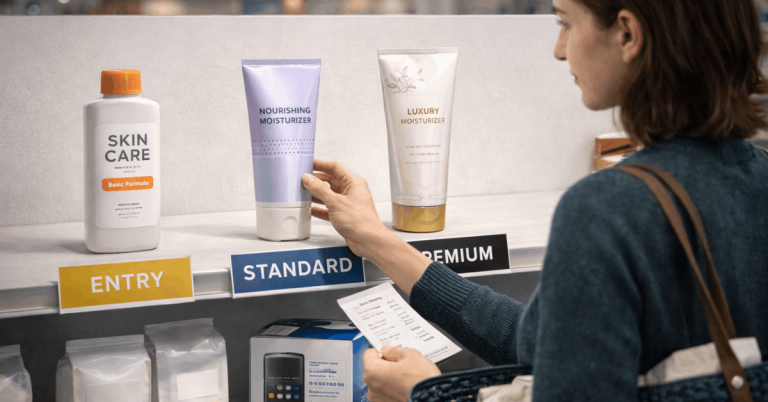
Seller reputation is one side of the coin. Product quality is the other. And they don’t always match. A reliable seller can still list mediocre products, and a newer seller might carry hidden gems.
User-Uploaded Photos Tell the Real Story
I think the single most useful feature on AliExpress is the user-uploaded photo section in reviews. Stock images on a listing are marketing. Buyer photos are evidence.
Scroll past the text reviews and look for images. Compare what real buyers received to the listing photos. If the color is off, the stitching looks rough, or the sizing runs small, those photos will tell you faster than any written review.
Product Descriptions That Should Make You Suspicious
A product listing that uses vague language like “high quality material” or “premium feel” without naming the specific material is a red flag. Good sellers state exact specs: cotton percentage, stainless steel grade, screen resolution, battery capacity in mAh.
If the description reads like it was auto-translated and could apply to any product in the category, the item probably matches that same level of effort.
Check Independent Reviews Off the Platform
Marketplace reviews can be manipulated through incentive programs where buyers receive discounts or free items in exchange for positive feedback.
I would search the exact product name plus “review” or “Reddit” in Google before spending more than $30 on any international order through AliExpress or Amazon Global.
Independent review blogs and forums like Reddit carry unfiltered opinions. The difference between a curated 4.9-star listing and a Reddit thread saying “this fell apart in two weeks” is worth the 5 minutes of research.
International Delivery Times: What Takes So Long and How to Plan
Shipping speed is the part where international shopping tests your patience the hardest. And the reasons behind delays are more layered than just distance.
Shipping Methods and What Each One Costs
Budget shipping options on international marketplaces can take anywhere from 2 to 8 weeks. That wide range exists because cheaper methods often skip tracking, use economy postal networks, and sit in batches waiting to fill a shipping container.
Courier services like DHL, FedEx, and UPS cut delivery down to 3 to 7 days but charge accordingly. The sweet spot for many shoppers? AliExpress Standard Shipping, which typically lands between 10 and 20 days and includes tracking.
A quick comparison of what to expect across major platforms:
| Platform | Standard Delivery | Express Delivery |
|---|---|---|
| AliExpress | 2 to 6 weeks | 1 to 2 weeks |
| Amazon Global | 1 to 3 weeks | 3 to 7 days |
| eBay (International) | 2 to 8 weeks | 1 to 2 weeks |
The takeaway: if your order is time-sensitive, pay for express and confirm the shipping method includes full tracking with updates.
Customs Delays and Import Taxes Nobody Budgets For
Customs processing adds unpredictable time to every international shipment. Import duties and taxes vary by country and product category.
Some platforms estimate these costs at checkout. Others don’t, leaving you with a surprise bill from your postal service before they release your package.
Check your country’s duty-free threshold before ordering. Some countries allow imports below a certain value to be taxed tax-free, while others tax everything regardless. That $15 gadget can quietly become a $25 purchase after duties and handling fees.
Also read: What Makes a Marketplace Trustworthy for Buyers
Seller Processing Time Matters More Than Shipping Speed
A seller who ships within 24 hours paired with standard delivery will beat a seller who takes 5 days to process your order and then ships express. Processing time is visible on most platforms. Look for it in the listing details, not just the shipping estimate.
The shipping estimate on a listing page usually starts counting from the moment the package enters the carrier’s system, not from when you click “buy.” That gap is where days disappear.
Common Mistakes That Cost International Shoppers Money
Knowing what to do is half the battle. Knowing what not to do closes the gap. These are the patterns that trip up even experienced cross-border shoppers.
Avoid these missteps when buying international products:
- Skipping size charts on clothing: International sizing varies wildly. A “Medium” from a Chinese manufacturer is often closer to a U.S. Small. Always check the centimeter measurements.
- Ignoring voltage and plug compatibility on electronics: A device built for 110V will not work safely on a 220V outlet without a converter. Region-specific model variations exist for a reason.
- Paying outside the platform: If a seller asks you to pay via PayPal Friends & Family or a direct bank transfer, walk away. Platform payments include buyer protection. Off-platform payments don’t.
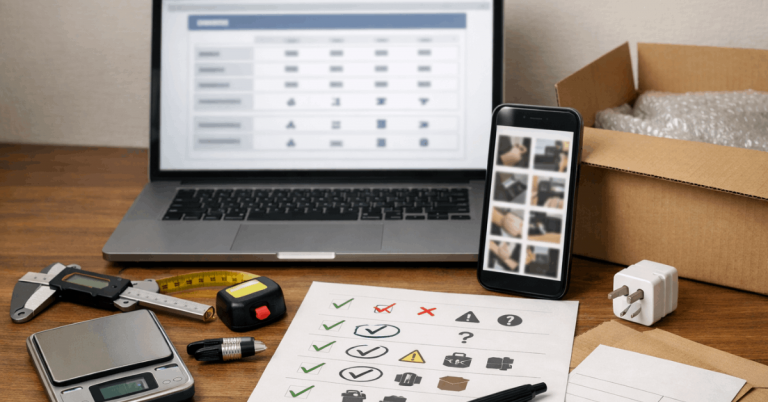
- Not saving screenshots of listings: Sellers can edit listings after you order. Screenshot the product page, the price, and the shipping terms on the day of purchase as evidence for any future dispute.
A Smarter Way to Start International Shopping
I think the best advice for anyone new to buying international products is to treat your first 3 orders as training runs, spending under $10 each on AliExpress or Amazon Global.
Test the seller communication, track the delivery timeline, and see what arrives versus what was promised. Those three cheap orders will teach you more than any guide can.
A credit card with chargeback protection is the safest payment method for international shopping. If a dispute goes nowhere through the platform, you can escalate through your card issuer. Debit cards and bank transfers don’t offer the same safety net.
One more thing worth doing: use the platform’s wishlist feature to save items for a few days before buying.
Prices on AliExpress fluctuate based on promotions, and an item you saved Tuesday might drop 15% by Friday during a flash sale. Patience pays off when the algorithm starts working in your favor.
Questions People Ask About Buying International Products Safely
Q: Is it safe to buy from AliExpress in 2026?
AliExpress has a buyer protection program that covers most purchases for 60 to 90 days. The platform sides with buyers in disputes where sellers can’t provide proof of delivery. Stick to sellers with high transaction volume and use the platform’s payment system. That’s where the protection lives.
Q: How do I avoid counterfeit products when shopping internationally?
Check user-uploaded review photos carefully, because counterfeit sellers rarely have real buyer images that match the listing. Search the brand name and product on the official brand website to confirm the model exists. If the price is 70% below retail, the product is almost certainly fake.
Q: Do I have to pay customs tax on international orders?
It depends on your country’s import rules and the value of your order. Some countries have a duty-free threshold below which no tax applies. Others charge duties on all imported goods. Check your national customs website for the current limits before ordering.
Q: What is the safest payment method for international online shopping?
A credit card with chargeback rights gives you the strongest fallback option if a seller disappears or sends the wrong item. Platform-specific wallets like AliPay also offer dispute resolution. Avoid direct bank transfers and any payment method that bypasses the marketplace.
Q: How long does international shipping take on average?
Standard shipping from China to North America or Europe typically takes 2 to 6 weeks through economy postal methods. Express options through DHL or FedEx cut that to under 2 weeks but cost significantly more. Always select a shipping method that includes tracking.
Conclusion
Safe international shopping depends on preparation, not luck, and three small test orders reveal more than any review section. Treating every platform’s buyer protection window as a hard deadline keeps your money recoverable if problems surface.
A $10 test purchase on AliExpress today gives you the confidence that a Federal Trade Commission guide on online shopping can only describe in theory. The best cross-border shoppers are patient ones who check twice and click once.