When you shop on international marketplaces, reviews are your main defense against poor quality and delivery problems.
Star ratings alone do not show how a product performs after weeks of use or how reliably it arrives.
This guide shows you how to read reviews the right way so you can judge real quality before you buy.
Why Reviews Matter for Cross-Border Shopping
International shopping increases uncertainty at every step. Reviews help you understand what usually happens before you commit.
- Visibility — You cannot inspect the product’s materials, size, or finish before shipment.
- Returns — Sending items back often involves high costs, long delays, or no option at all.
- Delivery — Customs checks and multiple carriers can extend delivery beyond estimates.
- Variations — Product versions, accessories, or specifications may change by region.
- Seller support — Response times, language clarity, and solutions vary across borders.
Ignore the Star Average and Read the Distribution
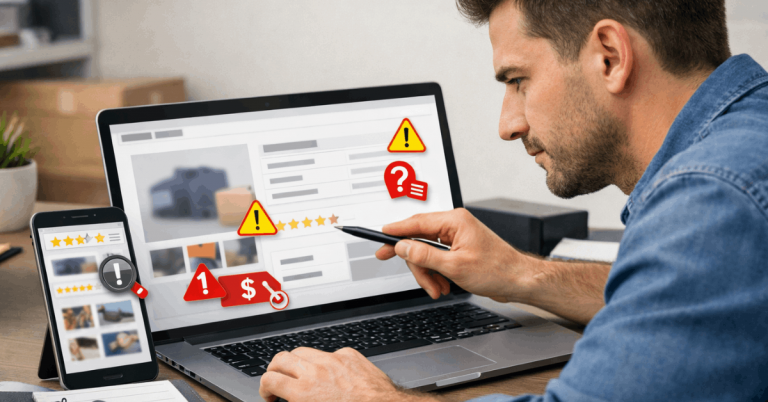
Star averages are easy to scan but hard to trust. The full rating spread shows what buyers actually experience.
- Five-star overload — Heavy concentration at the top can suggest incentives or campaigns.
- One-star clusters — Repeated low ratings often signal the same unresolved issue.
- Weak middle range — Few 2–4 star reviews reduce credibility and balance.
- Recent rating swings — Sudden changes may follow supplier, batch, or seller shifts.
- Low total volume — High averages with few reviews offer limited proof.

Start With 2–4 Star Reviews
Middle-range reviews give you the clearest picture of real use. They explain what works and what doesn’t without exaggeration.
- Balanced feedback — Buyers share both strengths and weaknesses.
- Real expectations — Experiences are closer to everyday use than to best-case scenarios.
- Specific issues — Problems are described with context, not emotion.
- Practical limits — You learn where the product falls short.
- Decision clarity — These reviews help you assess whether they fit your needs.
Check for Real-Use Details
Real quality shows up in actual use, not in first impressions. Detailed reviews help you confirm real ownership and honest experience.
- Usage timeframe — Reviewers mention days, weeks, or months of consistent use.
- Use case — They explain how, where, and why the product is used.
- Photos or videos — Visual proof shows condition, fit, and performance.
- Specific outcomes — Results are explained with clear examples, not general praise.
- Wear and performance — Changes over time reveal durability and build quality.
Separate Product Quality From Delivery Problems
Many reviews mix shipping frustration with product judgment. You need to separate the two to assess real quality.
- Late delivery — Delays reflect logistics, not materials or performance.
- Customs holds — Border checks add time without changing the product.
- Transit damage — Breakage often comes from handling, not design flaws.
- Packaging quality — Weak packing affects condition, not core function.
- Carrier errors — Misrouting or missed delivery attempts are not product faults.
- Weather exposure — Rain or heat during transit can cause issues unrelated to build quality.
- Resealing after inspection — Opened boxes may result from security checks, not prior use.
- Incomplete delivery info — Tracking gaps distort perception but don’t affect quality.
- Post-delivery performance — Judge how the item works once it’s in your hands.
Track Review Timing Around Sales Events
Reviews posted during big sales do not always reflect long-term quality. Timing helps you understand how reliable the feedback is.
- Sale-day rush — Early reviews are often written before real use.
- Incentive bias — Discounts and rewards can soften criticism.
- Volume spikes — Sudden review surges may signal campaigns.
- Short-term focus — Comments often cover delivery, not performance.
- Post-sale drop-off — Fewer later reviews can hide durability issues.
- Older feedback — Reviews written months later show real wear and reliability.
Spot Copy-Paste and Patterned Language
Fake or coordinated reviews often follow the same writing pattern. Language repetition is one of the clearest warning signs.
- Repeated phrases — Identical wording appears across multiple reviews.
- Similar sentence structure — Reviews follow the same rhythm and format.
- Generic praise — Comments focus on “great quality” without details.
- Template openings — Many reviews start with the same line.
- Unnatural tone shifts — Language feels promotional, not personal.
- Mismatch with photos — Text does not align with visual evidence.
Check Seller-Specific Feedback
The same product can perform very differently depending on the seller. Reviews help you judge how reliable that seller actually is.
- Fulfillment quality — Packing, handling, and accuracy vary by seller.
- Item condition — Some sellers ship new items, others do not.
- Consistency — Repeated issues point to seller habits.
- Communication — Response speed and clarity affect problem resolution.
- After-sales support — Returns and refunds depend on the seller’s behavior.
- Seller history — Long-term feedback shows reliability over time.
Use Negative Reviews to Find Deal-Breakers
Negative reviews reveal problems that buyers cannot ignore. You use them to decide what risks are unacceptable.
- Repeated complaints — The same issue shows up across many independent buyers.
- Functional failures — Core features stop working or never work properly.
- Safety concerns — Overheating, breakage, or electrical risk is reported.
- Fit or compatibility issues — Size, voltage, or standards do not match the listings.
- Quality drop-offs — Problems appear after only short or light use.
- Unresolved issues — Sellers ignore complaints or deny refunds and replacements.
Compare Reviews Across Regions and Platforms
International listings serve buyers in different countries. Comparing regions and platforms helps you spot real patterns.
- Regional differences — Buyers report different issues based on country and market.
- Shipping experience — Delivery speed and handling vary by region.
- Product versions — Some regions receive different models or packaging.
- Platform bias — Ratings and moderation differ across marketplaces.
- Consistent complaints — Repeated issues across platforms signal real problems.
- Local expectations — Standards and tolerance levels change by region.

Watch for Packaging and Handling Mentions
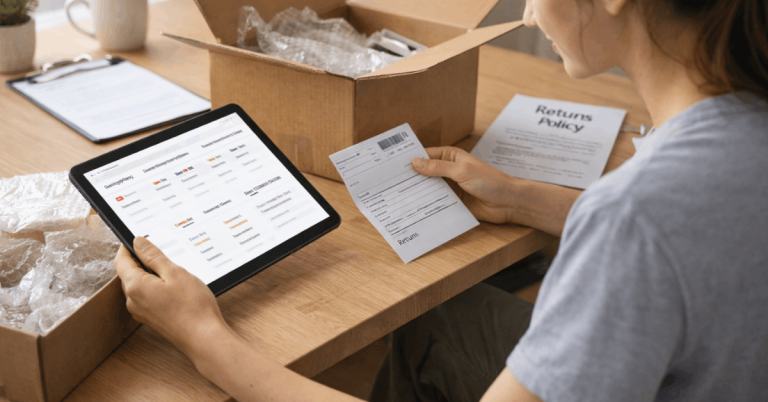
Long-distance shipping increases the risk of damage. Reviews that mention packaging and handling help you gauge the condition of arrival.
- Protective materials — Buyers note padding, sealing, and box strength.
- Damage on arrival — Reports of dents, cracks, or broken parts matter.
- Loose contents — Items shifting inside the box signal weak packing.
- Resealed boxes — Opened or retaped packages suggest inspections or handling issues.
- Consistency across reviews — Repeated packaging problems indicate seller risk.
- Condition vs performance — Separate arrival damage from how the product works.
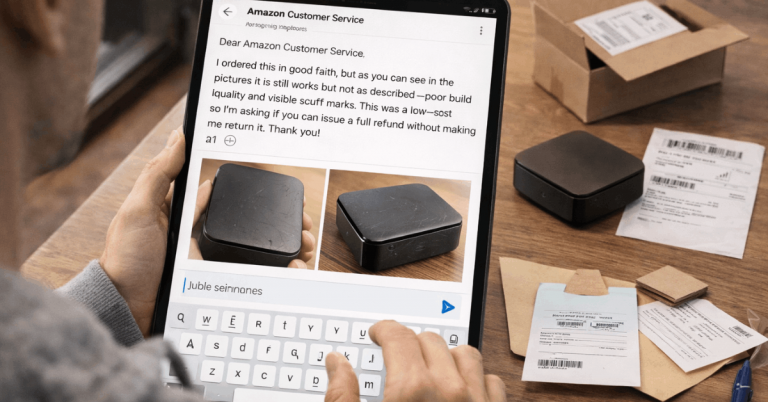
Identify “Not as Described” Signals
Listing errors are common in international marketplaces. Reviews help you spot gaps between promises and reality.
- Size differences — Measurements do not match the listing description.
- Material changes — Fabric, metal, or build quality differ from photos.
- Missing accessories — Cables, adapters, or parts are not included.
- Version mismatch — Buyers receive older or different models.
- Color and finish variation — Appearance differs from images shown.
- Language or labeling issues — Manuals and labels do not match the listing.
Evaluate Delivery-Time Accuracy
Delivery speed affects value and reliability. Reviews show whether sellers meet their promised timelines.
- Estimated vs. actual dates — Buyers compare the promised delivery date to the actual arrival time.
- Customs delays — Border processing adds time beyond seller control.
- Carrier handoffs — Transfers between couriers slow progress.
- Tracking accuracy — Updates may lag or stop during transit.
- Consistent delays — Repeated late arrivals indicate seller risk.
- Region-specific timing — Delivery speed varies by destination country.
Build a Final Quality Judgment
Read reviews as patterns, not isolated opinions, and combine product quality, delivery results, and seller behavior.
Decide whether the recurring issues matter for how you plan to use the product.
Read reviews carefully, then move forward only when the risk fits your expectations.