A price far below local retail can feel like a bargain or a warning. AliExpress, Temu, and Wish offer products that may be hard to find nearby, but the order can involve longer delivery, uneven listing details, and difficult returns.
The issue is not whether every cheap marketplace is unsafe. It is whether the item, seller, shipping route, and buyer protection fit your real expectations.
Low Prices Usually Reflect a Different Retail Model
Cheap marketplaces do not use the same supply chain, yet many connect buyers with overseas sellers, factories, or fulfillment routes.
That can lower retail overhead and broaden product choice, while making the experience less predictable.
Fewer Retail Layers Can Reduce the Tag Price
A local store pays for importing, warehouse space, staff, displays, and returns before an item reaches a shelf.
An overseas seller can use consolidated routes with fewer retail steps. That can make a cable or craft supply cheaper without making it defective. Buyers should weigh materials, delivery time, and support against savings.
A Low Price Can Come With Clear Limits
Budget listings may use basic packaging, slower routes, short instructions, or a limited return method.
An item can work normally yet differ from polished photos because it was made for a lower price tier.
That may be fine for a simple purchase, but not when fit, durability, or timing matter. Read what is included and what is excluded before comparing with local retail.
Compare the Order, Not Just the Marketplace Name
AliExpress, Temu, and Wish are not interchangeable, and each order can differ by seller, warehouse, and destination. Compare the exact listing, delivery option, and order specific return information.
AliExpress Gives You More Seller Level Choices
AliExpress often offers several sellers for a similar item, giving buyers more room to compare. Check the selected variation, product photos, store feedback, handling time, and shipping choices.
A large store score is useful context, but it cannot prove the current item uses the materials described in older reviews. Prioritize recent photo reviews and matching model details.
Temu and Wish Still Need Careful Reading
Temu and Wish may make browsing quick through discounts, recommendations, and product collections.
That convenience does not confirm the chosen item has the right dimensions, finish, or long term performance.
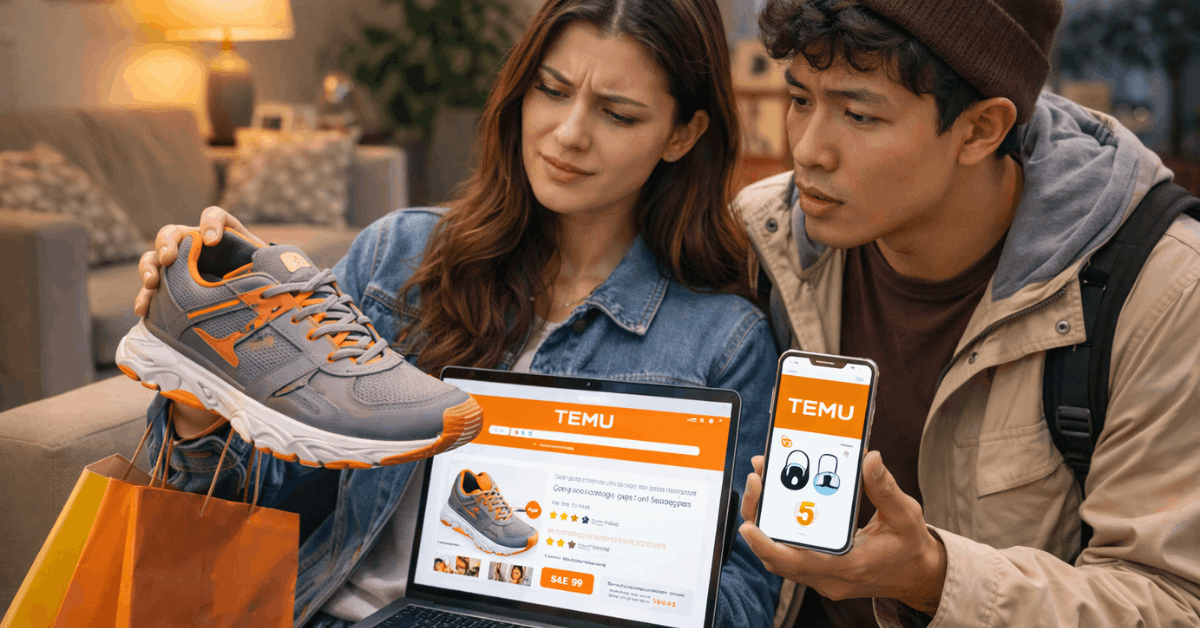
Check the Temu return policy for your country, then read Wish terms before paying. Prioritize current order terms and seller evidence over marketing messages.
Product Evidence Matters More Than a Countdown Timer
A sale banner can make a weak listing feel urgent. Before payment, look for specific details and recent proof of what buyers received.
Read Reviews for Repeated Concerns
Start with recent reviews that include photos or short videos. Look for repeated comments about loose seams, poor sizing, weak batteries, missing parts, or damaged packaging.
One negative review may be an isolated delivery problem, but the same complaint across several dates is a reason to pause. This reveals actual condition and normal use.
Check the Selected Variation Closely
Many listings group colors, bundles, sizes, or upgraded versions on one page. Reviews may describe a different option from the one in your cart, especially after a supplier or design change.
Confirm the material, dimensions, plug type, included parts, and shipping origin for your selected option. Save listing screenshots and product specifications before ordering.
Price Is Only One Part of the Total Cost
Check delivery range, shipping fee, tax, possible import charges, and return route before buying. A small item stops feeling cheap if it arrives late or costs more to return than to purchase.
Avoid sellers requesting payment outside the platform after checkout. Protected payment and saved records give you better options if problems appear.
Use Cheap Platforms for the Right Kind of Purchase
Cheap marketplaces can work for simple, flexible products that are easy to replace. They are a poor match when a mistake creates a safety concern, deadline problem, or costly loss.
Small, Low Risk Items Are Often a Better Fit
Basic organizers, phone cases, craft materials, decorative items, and replacement accessories may suit a longer delivery route.
They are easier to judge from photos, less costly to replace, and unlikely to cause serious trouble if disappointing.
Choose clear dimensions and genuine buyer images instead of the lowest price alone. Treat flexible timing and modest expectations as part of the deal.
Avoid Urgent, Regulated, or Safety Sensitive Products
Do not rely on an overseas bargain for a birthday gift, travel item, or immediate repair. Be careful with chargers, safety equipment, cosmetics, baby items, food related goods, and products requiring a correct plug or voltage.
These categories need reliable information, appropriate compliance, and a realistic support route. Paying more locally may offer faster recourse and clearer accountability.
Try a Small Order Before Spending More
A low value trial order can show how a marketplace handles dispatch, tracking, packaging, and questions.
Choose a non urgent product with simple measurements, then keep the listing and delivery estimate until it arrives. After delivery, use this short check before ordering a larger or more valuable item:
- Item: Did it match its selected size and photos?
- Delivery: Did tracking and timing stay reasonable?
- Support: Did the response answer a direct question?
A good result is useful evidence, but it does not guarantee every future seller or item will perform the same way.
A poor result is a reason to stop before a bigger order creates more trouble. Base repeat orders on what happened, not only what the app promised.
Final Check Before You Buy
Cheap marketplaces are not automatically too good to be true, but low prices often reflect choices about production, shipping, service, or returns.
They can suit low risk items when you compare the listing, read recent buyer evidence, use protected payment, and allow extra delivery time.
Avoid urgent, high value, or safety sensitive purchases where a mistake would be difficult to correct. A few calm checks let you use budget pricing without ignoring the real trade offs.