Clicking “buy” on an unfamiliar marketplace feels a lot like lending money to someone you just met. Confidence comes slowly, and it disappears after one bad order.
A trustworthy marketplace protects your money, your time, and your expectations. But the signals that separate safe platforms from sketchy ones are not as obvious as a high star rating.
Every year, more sellers flood online marketplaces. The buyers who avoid getting burned are the ones who know exactly where to look before they spend a single dollar.
This piece breaks down the specific signals that tell you a marketplace is worth your trust, along with a few red flags that get ignored far too often.
Do Buyer Reviews Tell the Full Story?
Online reviews carry weight. But the way a marketplace handles its reviews tells you more about trust than the reviews themselves.
A platform full of five-star ratings can be just as dangerous as one with no ratings at all, and the difference comes down to verification systems and how much transparency the platform allows.
Verified Purchase Tags Change Everything
A review tagged as a verified purchase means someone paid real money and received a real product. That tiny label separates useful feedback from planted noise.

Platforms without this verification step leave the door open for sellers to inflate their scores. A marketplace that shows timestamps, buyer photos, and transaction-specific details is investing in honesty at a structural level.
Why Five-Star Reviews Should Make You Suspicious
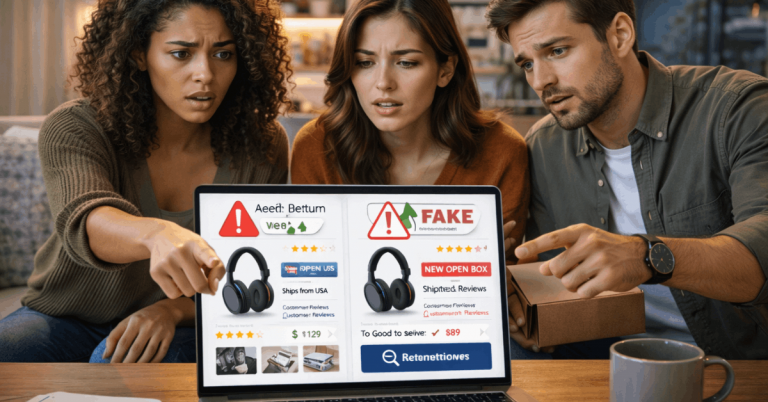
I think the standard advice of “sort by highest rating” is backwards, because on platforms like AliExpress, five-star reviews with vague one-line praise are often posted in bulk by seller-coordinated campaigns.
My take: sort by 1-3 star reviews first. That’s where buyers describe the actual product condition, real shipping times, and honest complaints.
Generic praise like “great product, fast shipping” repeated across dozens of reviews signals low trustworthiness. A review that says “stitching came apart after two washes” tells you ten times more than a hundred perfect scores.

Cross-Checking on Trustpilot and Sitejabber
The reviews on a marketplace are curated by that marketplace. Outside review sites like Trustpilot give you a second data point that the platform cannot control.
Look for patterns across both sources. A marketplace with 4.5 stars internally but 2.1 stars on Trustpilot has a transparency problem. That gap between internal and external ratings is one of the fastest ways to spot a platform that filters or suppresses negative feedback.
How Product Quality Gets Verified on a Marketplace
Reviews only cover what happened after the purchase. Product verification happens earlier, at the listing level, and strong marketplaces build quality checks directly into the browsing experience.
Descriptions That Match the Actual Product
Reliable platforms require sellers to post full specifications, accurate measurements, and clear photos. Vague listings with titles like “High Quality Premium Item” and no real specs are a warning sign.
A trustworthy marketplace forces sellers to fill in detailed product fields. This structure makes it harder to hide a bad product behind marketing language.
Buyer-Uploaded Photos Are Worth More Than Studio Shots
Studio product photos exist to sell. Buyer-uploaded photos exist to tell the truth. These images show what the product looks like in real lighting, real sizing, and real use.
When comparing similar items across sellers, prioritize the listings where multiple buyers have uploaded their own images. That visual proof fills the gap between marketing and reality.
Seller Badges and Brand Filters
Platforms that offer filters like “official store” or “original packaging” add a layer of seller verification. Badges and brand seals reduce the risk of counterfeits, especially on high-value items like electronics and cosmetics.
The absence of these filters is worth noticing. A marketplace that does not separate verified brand sellers from random accounts does not prioritize buyer safety at a structural level.
Also read: How to Communicate With Overseas Sellers
Payment Security Signals Worth Checking
Beyond reviews and listings, a marketplace’s payment system tells you exactly how much it values buyer protection. The safest platforms put a wall between your financial data and the seller.
Encryption and Trusted Payment Partners
SSL encryption and secure gateways are baseline expectations. Platforms partnered with Stripe or PayPal add built-in dispute mechanisms that work independently of the marketplace itself.
If a marketplace processes payments through an unknown gateway with no recognizable security partner, that’s a risk factor. The payment infrastructure should be as visible and clear as the product listing.
Off-Platform Payment Requests Are Instant Red Flags
Any seller asking for direct bank transfers, gift card payments, or cryptocurrency is working outside the refund system. These methods strip away every layer of buyer protection.
A trustworthy marketplace will never push buyers toward off-platform payment. If a seller sends you a separate link or invoice outside the checkout process, cancel and report immediately.
Refund and Return Policies: Where Trust Gets Tested
A marketplace can look clean and professional until something goes wrong. The refund process is where real trust either holds up or falls apart, and a surprising number of platforms fail this test badly.
Clear Policies Posted Before Checkout
The refund policy should be visible on every product page, not buried in a footer link. Look for specific timelines (like 14 or 30 days), stated refund methods (original payment vs. store credit), and conditions for returns.
Platforms that hide these details behind multiple clicks are betting you will not read them. That design choice is intentional.
Slow Refunds Are a Bigger Problem Than No Refunds
A platform that takes more than 14 business days to process refunds lacks buyer-focused operations. Slow refunds signal internal bottlenecks, understaffing, or a deliberate strategy to discourage claims.
Consistent refund speed matters as much as having a policy at all. Check outside reviews specifically for refund timeline complaints before purchasing.
Free Return Shipping Says a Lot
Prepaid return labels and free return shipping tell you that a marketplace backs its own quality claims. Platforms that make you pay $12 to return a $15 defective item are transferring risk to the buyer.
Good marketplaces absorb return costs on defective or misrepresented items. This single policy reveals more about platform trust than any marketing promise.
Here is how three well-known platforms compare on refund and return handling:
| Feature | eBay | AliExpress | Amazon |
|---|---|---|---|
| Typical refund timeline | 3-5 business days | 10-15 business days | 1-3 business days |
| Free return shipping | On select items | Rarely | On most items |
| Dispute resolution | Buyer Protection Program | Buyer dispute system | A-to-Z Guarantee |
| Counterfeit verification | Authenticity Guarantee on select categories | Limited | Brand Registry program |
Amazon’s speed on refunds stands out, though eBay’s Authenticity Guarantee for categories like sneakers and watches adds a layer of verification that neither Amazon nor AliExpress matches.
Seller Profiles and Delivery: The Quiet Trust Signals
Beyond policies and payment systems, two overlooked areas separate reliable marketplaces from unreliable ones: how much seller information is available, and how delivery expectations are managed.
A seller’s profile page should include their join date, location, product category focus, and review history.
Sellers with long track records and consistent product categories are easier to trust than new accounts selling random, unrelated items. The latter pattern often indicates dropshipping operations with no quality control.
Delivery expectations matter just as much. Platforms that show estimated delivery windows, automated tracking numbers, and proactive delay notifications give buyers control over their experience.
Vague timelines like “ships in 5-30 days” create anxiety and erode trust before the product even arrives.
What red flags should trigger caution when browsing a new marketplace? Keep an eye on these:
- Sellers with zero reviews or accounts created less than 30 days ago listing high-value items
- No visible return policy on product pages, or return terms that require the buyer to pay full shipping costs
- Payment methods limited to bank transfers, gift cards, or cryptocurrency with no traditional gateway option
- Product listings with stock photos only, no buyer-uploaded images, and vague descriptions missing specifications
Real Platform Examples: Trust Tested by Buyers
AliExpress runs a buyer dispute process that allows claims when items never arrive or differ substantially from the listing. Refunds typically process within 10-15 days when buyers submit photo evidence, giving the system accountability through documentation rather than promises.
eBay’s Authenticity Guarantee works differently. Select product categories like sneakers and luxury watches get inspected by independent authenticators before the item ships to the buyer. This removes the guessing game from high-value purchases entirely.
Unregulated marketplaces, on the other hand, tell a different story. Platforms that grow fast without enforcing seller standards often accumulate hundreds of complaints about counterfeit goods. Once a marketplace stops responding to those patterns, buyer trust collapses and does not recover.
Questions People Ask About Trustworthy Marketplaces
Q: How do I check if an online marketplace is safe before buying?
Look for SSL encryption in the URL bar, recognized payment partners like PayPal or Stripe, and a visible return policy on product pages. Cross-reference the marketplace’s reputation on Trustpilot or Sitejabber to see if external reviews match the internal ratings.
Q: Are high seller ratings always trustworthy?
No. Inflated ratings are common on marketplaces that do not verify purchases before allowing reviews. Sorting by lower ratings and reading specific complaints gives you a more accurate picture of seller reliability.
Q: What payment methods should I avoid on online marketplaces?
Avoid direct bank transfers, gift card payments, and cryptocurrency transactions. These bypass the refund systems built into marketplace checkout and leave you with no recourse if the seller disappears.
Q: Can I trust marketplace refund policies?
Read the full policy before purchasing and screenshot it. Some platforms change terms without notice. The speed and consistency of past refunds, visible in external reviews, tells you more than the written policy alone.
Q: Why do some marketplaces feel trustworthy but still have problems?
A polished website does not equal strong buyer protection. Enforcement matters more than presentation. Platforms that penalize bad sellers and process refunds quickly earn trust through action, not design.
Conclusion
A trustworthy marketplace earns your confidence through visible policies, real buyer reviews, and fast refund processing. Payment security and seller verification separate safe platforms from risky ones that look polished but lack accountability.
Smart buyers check external review sites and read low-star feedback before spending money on any platform. The platforms worth returning to are the ones that treat buyer protection as a daily operation.