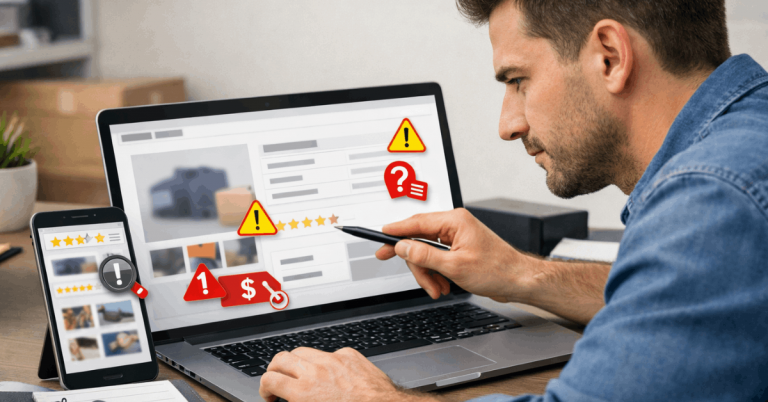
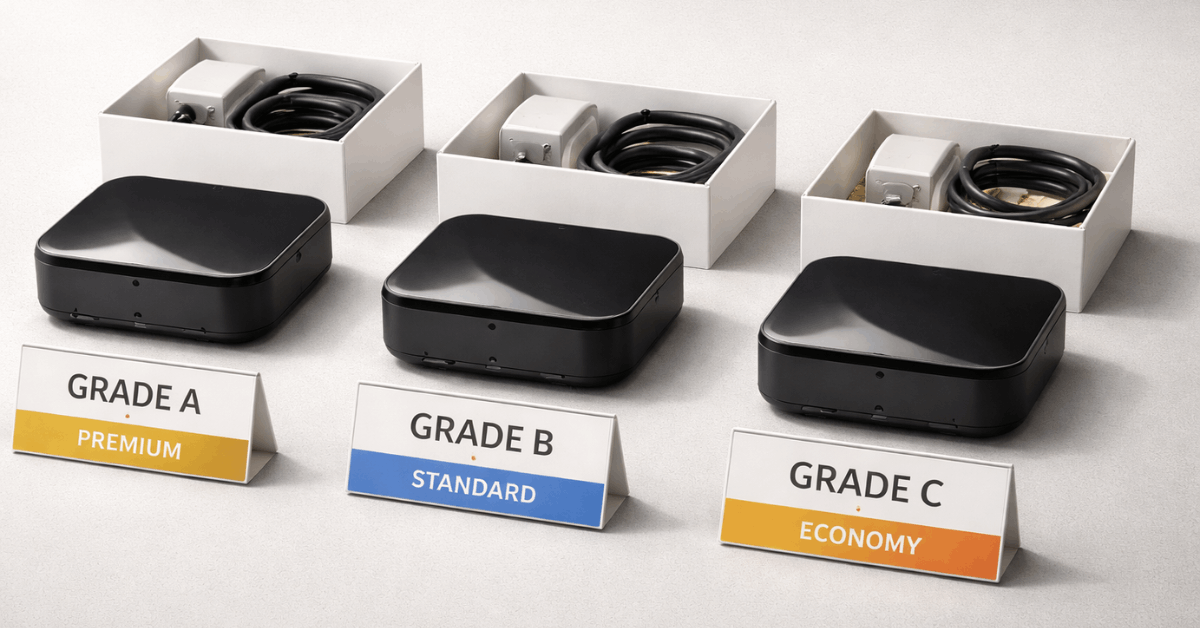
In global marketplaces, grading shortens evaluation time and lowers risk when information is uneven. People who search for What Grade mean are usually trying to decode tags that separate premium, standard, and economy options without reading pages of fine print.
Clear labels reduce uncertainty for cross-border buyers, refurbishers, and bulk purchasers who depend on consistent thresholds to set expectations, negotiate prices, and plan returns.
Across electronics, food, textiles, and building materials, the same pattern repeats. A visible grade declares condition, composition, or compliance, then anchors the price range that follows. Sellers gain faster conversions and fewer disputes, while shoppers gain a common language to compare alternatives.
What Grade Labels Mean In Online Marketplaces
Labels work because they compress complex inspection into recognizable tiers that match how people shop.
This section sets the scope, explains how grades map to quality or condition, and clarifies where official standards apply. Treat grades as signals, not absolute guarantees, and always read the definition provided by the platform or certifier.
Quality Classification
Manufacturers and marketplaces assign quality tiers that track features, workmanship, or batch performance.
Premium lines combine tighter tolerances and better materials, while economy lines accept wider tolerances that still meet minimum safety or functional baselines.
The effect is straightforward in practice, since a higher tier usually unlocks longer warranties, stricter final inspection, or added service commitments that raise confidence.
Condition Indicators For Refurbished and Used Goods
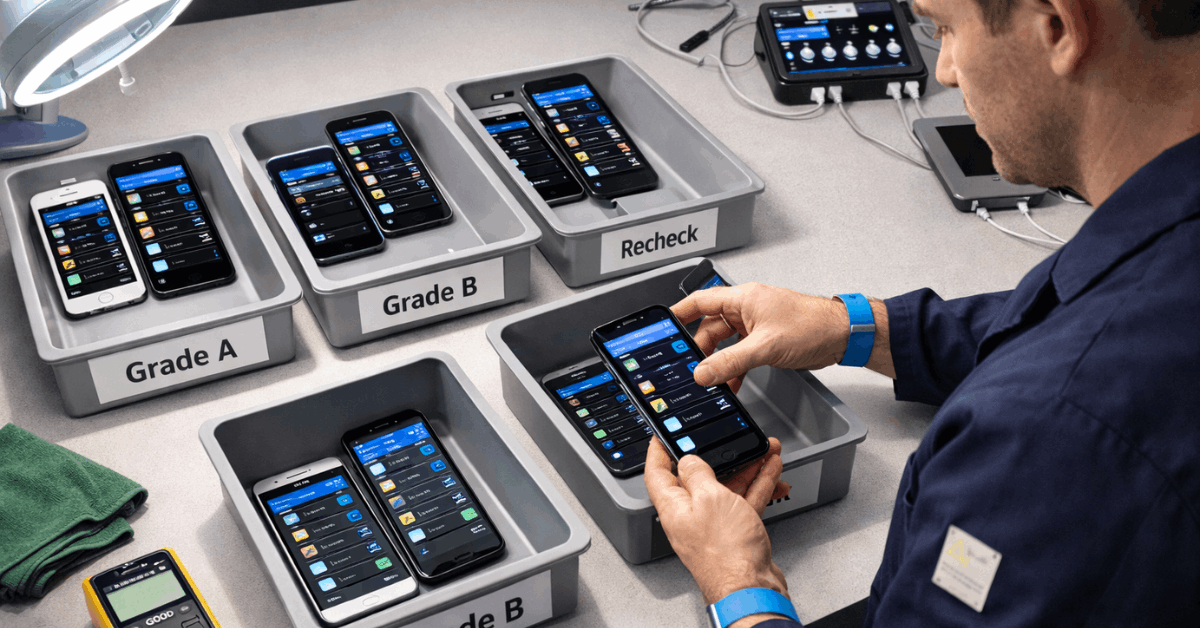
Refurbishers sort devices into visual and functional bands that accommodate wear without hiding it. Phrases such as Grade A vs Grade B signal differences in cosmetic condition, display quality, battery health, and port integrity once core functionality passes testing.
Refurbished grading helps set realistic expectations about scratches, small dents, or replaced parts, which prevents return friction and reduces subjective disputes after delivery.
Standardization Across Borders
Official schemes translate quality across suppliers so bulk buyers can source at scale. Food and commodity programs apply specification sheets and sampling rules that make lots comparable even when sellers differ.
A procurement team can then write contracts around a repeatable threshold, while auditors verify documentation, sampling frequency, and corrective actions when a batch fails checks.
Compliance and Safety Signals
Labels sometimes indicate security hygiene or health impacts rather than cosmetic quality. An IoT Security Rating ranks device protections in layers such as password policy, encryption, software update support, and vulnerability handling.
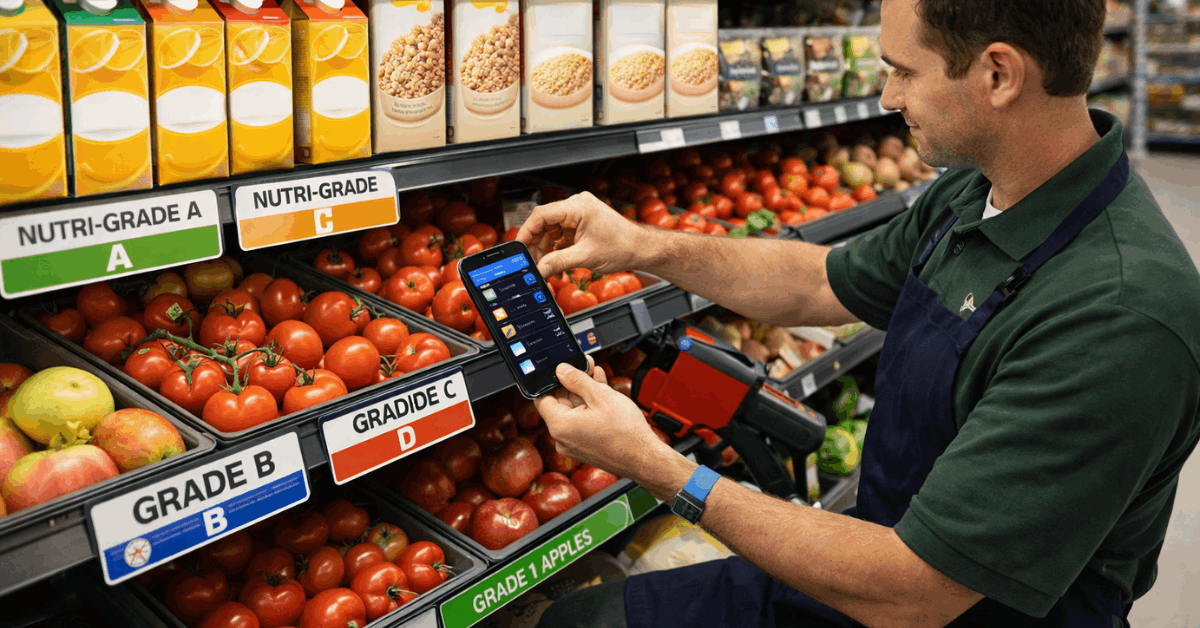
Nutrition schemes rank sugar or saturated fat to encourage healthier choices at the shelf, where a Nutri-Grade label communicates relative risk in a compact visual. These signals do not replace manuals or data sheets, although they steer attention to the right tradeoffs.
Common Grading Systems and Where They Apply
People meet grading in many product categories, yet definitions vary by market and certifier. The short primers below explain where the labels appear and how to read the basics without memorizing arcane terms. Focus on scope and thresholds, since both influence warranty rights, returns, and marketing claims.
Electronics and Refurbished Devices
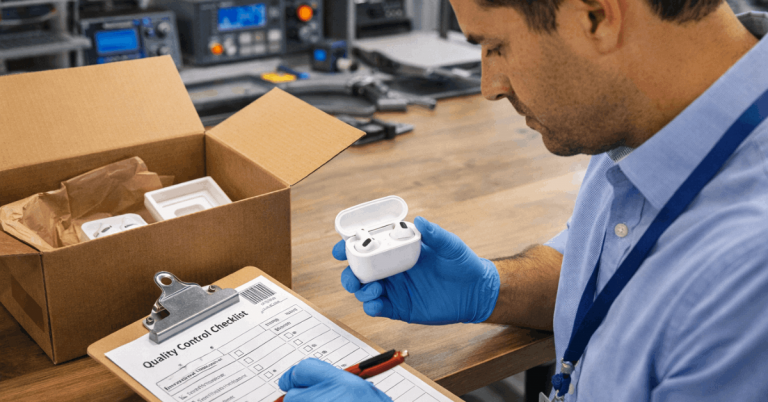
Device grades prioritize visible condition and test outcomes after diagnostic runs. Displays are checked for brightness uniformity, dead pixels, and touch responsiveness, while casings are inspected for cracks, warping, and corrosion near ports or hinges.
Batteries are measured against cycle count and remaining capacity, and motherboards are stress-tested to catch intermittent faults.
Refurbishers publish criteria tables that define each grade clearly, which lets support teams resolve claims against the documented definition rather than subjective impressions.
Food and Beverages
Nutrition grading simplifies composition data, enabling faster comparisons at the shelf. A Nutri-Grade label uses letter steps to summarize sugar content or similar measures, and many programs require placement on the front-of-pack where it cannot be missed.
Quality programs also exist for meat, eggs, dairy, and produce, where a USDA quality grade or an equivalent national scheme classifies tenderness, marbling, external appearance, and defects. Retailers rely on these systems for pricing, shelf life planning, and shrink control.
Sustainability and Ethical Claims
Environmental labels can be positive, negative, or graded, and each shapes behavior differently. A Sustainability grade scale compares lifecycle impacts or sourcing rigor across a brand’s lineup, while positive-only seals highlight the best performers without calling out laggards.
Clear scope matters because some schemes rate packaging only, while others rate energy use or labor safeguards. Serious buyers review the underlying standard to confirm whether it is a first-party marketing claim or a third-party certification backed by audits.
Seller Reliability and Marketplace Badges
Service quality often matters as much as product quality in crowded platforms. Badges reflect cancellation rates, on-time shipping percentages, return handling, and dispute outcomes across rolling windows.
Strong badge performance improves search placement and lifts conversion for identical items, which is why seller compliance teams monitor these metrics closely. Buyers can treat these badges as a proxy for professional operations, although seller rating criteria differ by platform and region.
How Grade Labels Influence Decisions
Grading shifts perception and behavior in measurable ways. The points below explain why labels matter and how they can influence the purchase path without resorting to heavy persuasion tactics. Treat them as practical effects to factor into pricing or selection.
Transparency and Trust At The Shelf
A clear grade reduces cognitive load when options look similar and time is short. Label visibility improves confidence, since shoppers feel informed and protected even when they cannot run their own tests.
That confidence reduces abandonment rates and increases satisfaction scores after delivery because the product matches the stated condition or composition.
Willingness To Pay and Value Perception
Higher labels often command higher prices when the definition is credible and enforced. Shoppers show a willingness to pay a premium where grades reduce risk or promise measurable benefits, such as longer service life or healthier composition.
Merchants can use this signal to sort inventory efficiently, capturing more value from better stock while preserving budget options that still meet baseline requirements.
Risk Mitigation For Technical Products
Security and safety labels convert dense technical criteria into tiers that busy teams can compare. An IoT Security Rating, for example, can screen out devices that lack essential safeguards, which prevents hidden liability in sensitive environments.
Teams still validate configuration and update policies internally, although the grade narrows candidates early and focuses due diligence on models that clear the baseline.
How To Read a Grade Like A Pro
A concise process prevents misreads and flags marketing stretch before it causes trouble. Use the steps here whenever a listing claims a high grade without substantial detail.
- Confirm the Scheme and Owner: Check whether the grade is a marketplace definition, a manufacturer program, or a third-party certification, since enforcement strength depends on who controls the rules.
- Read The Scope Carefully: Verify what the grade covers, including cosmetic condition, functional tests, security hygiene, nutrition, or sustainability, because a partial scope can hide gaps.
- Compare Thresholds, Not Letters: Look at the measured thresholds that separate tiers, such as battery capacity ranges or sugar cutoffs, and avoid assuming letter distance equals real-world difference.
- Inspect Warranty And Return Terms: Match the grade to warranty length, coverage exclusions, and return windows, then model the downside if a fault appears after the grace period ends.
- Scan Independent Feedback: Combine the grade with verified reviews and return reasons, since repeated complaints often reveal a definition that is too lenient or poorly enforced.
Caveats, Loopholes, and Red Flags
Marketing teams sometimes extend labels beyond their intended scope, creating confusion that can appear deceptive to buyers facing delays or defects. Watch for grades that lack definitions, since vague language allows endless interpretation after something goes wrong.
Pay attention to regional differences, because a nutrition letter in one market may not equal the same letter elsewhere, even when the graphics look alike.
Avoid relying on a single badge for expensive purchases when multiple risks exist, and treat unusual discounts on high grades as a cue to re-read the criteria and the return policy in detail.
Practical Examples That Clarify Expectations
Electronics listings labeled Grade A often ship in excellent cosmetic shape, yet batteries can still fall below new-device capacity if the scheme allows a wide range.
Food packages showing a strong letter can still include non-nutritive sweeteners that some buyers avoid, because the label emphasizes sugar grams rather than sweetener type. A sustainability grade scale may boost a product for recycled packaging while ignoring energy intensity, which matters for appliances or lighting.
A seller badge might indicate stellar fulfillment speed, although it says little about manufacturer warranties when the merchant is not an authorized reseller. These examples show why definitions matter more than the letter or icon itself.
Pricing, Negotiation, and Inventory Planning
Grades help set price bands, making negotiations faster and more predictable. Refurbishers plan yields using historical test data and know how many units will likely land in Grade A vs Grade B during a production run.
Retail buyers align promotions to grades that move volume quickly without destroying margins on higher tiers. Marketplace sellers combine a strong badge with detailed grading photos to cut returns, which protects working capital and reduces reverse-logistics costs that erode profits.
Compliance and Documentation Essentials
Serious vendors keep evidence that matches the claimed label, because audits and customer disputes demand documentation.
Food programs maintain sampling logs, laboratory certificates, and corrective action reports tied to lot numbers. Electronics refurbishers archive test results, parts provenance for replacements, and photos confirming condition descriptions at ship time.
Security-rated devices carry firmware support statements and vulnerability disclosure processes that map to the published tier. Organized proof keeps grades credible and survivable under scrutiny.
When To Ignore The Grade and Walk Away
Some listings weaponize grade language to distract from missing information that matters more. Skip offers that pair high letters with blurry photos or no serial-number visibility, since transparency is part of the value proposition.
Avoid schemes that change names frequently without updating thresholds, because unstable programs make long-term comparisons impossible.
Move on when a seller badge conflicts with recent negative feedback that cites non-delivery, poor packaging, or refusal to honor returns, since service reliability is inseparable from grade claims.
Last Thoughts
Grading compresses technical or cosmetic detail into a shorthand that helps comparisons, pricing, and compliance, yet definitions and enforcement determine real value. Treat labels as starting points, then read scope, thresholds, warranties, and seller history before committing.
Balanced attention to condition, composition, and service quality produces better outcomes than chasing the highest letter on instinct.