Buying on international marketplaces often forces you to choose between a familiar brand name and product quality you can actually count on.
Brand reputation shapes expectations, but it does not guarantee consistent product quality or reliable delivery.
This guide shows you how to judge what you will really receive, using real buying signals instead of brand hype.
What Product Quality Really Means
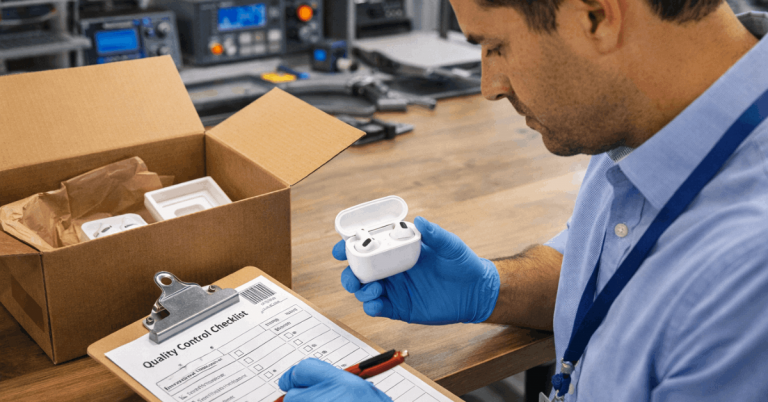
Product quality describes how well an item performs in real use and whether it meets the expectations set by its listing, not the reputation behind its name.
- Performance — How the product functions during normal, everyday use.
- Materials — The actual components and build used, not what is implied in photos.
- Durability — How well the product holds up over time without early failure.
- Consistency — Whether different units deliver the same results.
- Accuracy — How closely the product matches its description, images, and specs.

What Brand Reputation Represents
Brand reputation is the overall image people associate with a brand, shaped by past experiences and public perception, not a guarantee of today’s product quality.
- Perception — What most people believe about the brand, even if they have not bought it recently.
- Trust — The confidence buyers feel based on past results and familiarity.
- Visibility — How often the brand is seen in ads, stores, and marketplace listings.
- Consistency History — The brand’s track record for stable quality across products and time.
- Service Image — The expectation of support, warranties, and fair issue handling.
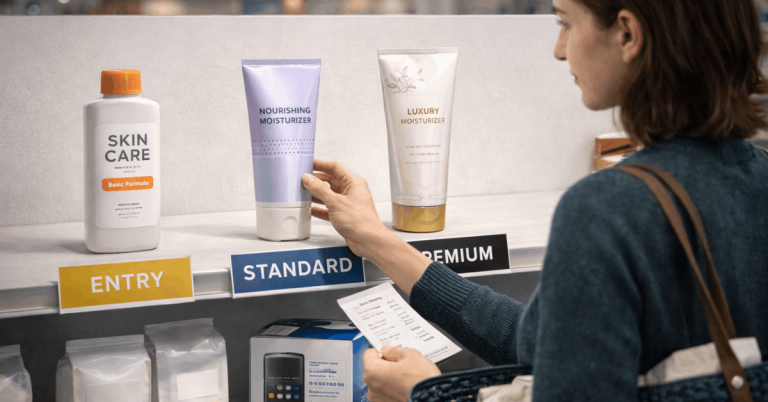
- Price Signal — The idea that a higher price equals better quality, which is not always true.
Where Brand Reputation Helps Buyers
Brand reputation can still help you in specific situations where structure, accountability, and scale reduce buying risk.
- Quality Control — Established brands often apply standardized checks across production.
- Support Systems — Larger brands usually offer clearer customer service and return processes.
- Warranty Coverage — Branded products more often include formal warranties.
- Logistics Partnerships — Well-known brands tend to work with more reliable shipping networks.
- Issue Resolution — Recognized brands are more likely to protect long-term trust by fixing problems.
Where Product Quality Matters More Than Brand
In many marketplace purchases, the actual product quality has a greater impact on your experience than the brand name attached to the item.
- White-Label Products — Items from the same factories sold under different names with similar quality.
- Seller-Dependent Listings — Quality varies based on how the seller stores and ships the product.
- Marketplace-Exclusive Items — Products without brand history but proven through buyer feedback.
- Short-Term Use Products — Items meant for temporary or occasional use where branding adds no value.
- Low-Risk Accessories — Simple add-ons where function matters more than logo.
How to Evaluate Product Quality Without Relying on Brand
You can judge product quality on international marketplaces by using repeatable checks that rely on real buyer evidence, not brand recognition.
- Buyer Photos and Videos — Show the real item, materials, and finish.
- Review Consistency — Repeated comments pointing to the same strengths or issues.
- Recent Feedback — Confirms current quality, not past versions.
- Seller History — Indicates how reliably products are handled and delivered.
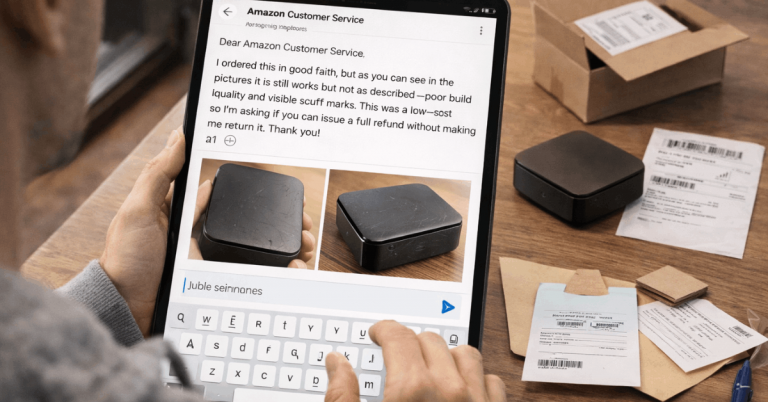
- Return and Dispute Rates — High rates often signal quality or description problems.

Delivery Experience vs Brand Name
Delivery experience is usually shaped by the seller and fulfillment method, not by the brand printed on the product.
- Seller Fulfillment — Sellers control packing, dispatch speed, and shipping method.
- Shipping Method — Economy, standard, or express options affect delivery time more than the brand.
- Tracking Accuracy — Reliable tracking reflects logistics quality, not brand reputation.
- Packaging Quality — Proper protection reduces damage regardless of brand name.
- Customs Handling — Delays often depend on documentation and origin, not branding.
How Marketplace Algorithms Affect Perceived Quality
Marketplace algorithms influence which products you see first, shaping your perception of quality before you evaluate the product itself.
- Sponsored Placement — Paid listings appear higher in search results regardless of product quality.
- Sales Velocity — Fast-selling items gain visibility even if the quality is average.
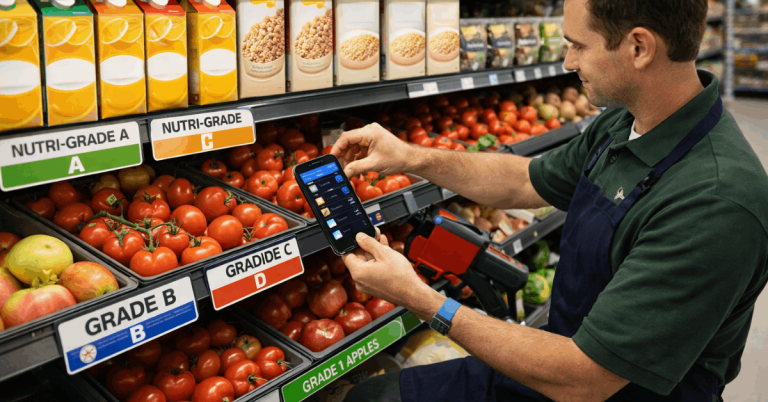
- Rating Weighting — High star averages can hide repeated minor issues.
- Review Volume Bias — Products with more reviews appear more trustworthy by default.
- Algorithm Momentum — Early performance can lock in visibility, even if quality later declines.
The Role of Seller Reputation in Product Quality
Seller reputation directly affects product quality outcomes because sellers control handling, storage, and fulfillment.
- Handling Practices — Careful storage reduces damage and defects.
- Stock Authenticity — Trusted sellers are less likely to ship altered or incorrect items.
- Packaging Standards — Better sellers protect products during transit.
- Issue Resolution — Responsive sellers fix problems faster when quality issues arise.
- Fulfillment Consistency — Reliable sellers deliver the same quality across orders.
Product Updates and Silent Downgrades
Product updates and silent downgrades can change product quality without clear notice on marketplace listings.
- Material Changes — Cheaper components replace original materials over time.
- Design Simplification — Features are removed to reduce production costs.
- Supplier Switching — New factories produce different quality levels.
- Outdated Reviews — Older feedback may reflect a better version of the product.
- Unannounced Revisions — Listings remain the same while quality declines.
Common Buyer Mistakes to Avoid
Many buyers make avoidable mistakes by relying on assumptions rather than checking actual quality and delivery signals.
- Brand Dependence — Assuming a known name guarantees good quality.
- Seller Ignorance — Skipping seller ratings and fulfillment history.
- Review Skimming — Looking only at star ratings without reading details.
- Delivery Assumptions — Expecting fast shipping based on brand reputation.
- Policy Neglect — Ignoring return, refund, and dispute terms before buying.
When Paying for a Brand Makes Sense
Paying for a brand makes sense when the product involves higher risk, long-term use, or ongoing support needs.
- Safety-Critical Items — Products where failure could cause harm or damage.
- Warranty-Dependent Products — Items that rely on formal repair or replacement coverage.
- Long-Term Use Goods — Products expected to last for years, not months.
- Technical Complexity — Items that require updates, calibration, or support.
- Regulatory Compliance — Products that must meet verified safety or quality standards.
When Product Quality Should Be Your Only Focus
In many everyday purchases, focusing solely on product quality yields better value than paying extra for a brand name.
- Household Essentials — Items used daily where function matters most.
- Accessories and Add-Ons — Simple products with low failure risk.
- Short-Term Use Items — Products intended for temporary or occasional use.
- Generic Replacements — Parts or refills that follow standard specifications.
- Price-Sensitive Purchases — Situations where performance is similar across options.
Final Takeaway
Brand reputation can influence expectations, but product quality and delivery performance determine what you actually receive.
On international marketplaces, sellers, fulfillment methods, and real buyer feedback matter more than logos or brand history.
Use this guide before your next purchase to evaluate quality accurately and make confident buying decisions backed by real results.